Whether you're a home supplement maker or a scaling small business, this guide cuts through the noise — covering the key differences between machine types, what each option actually costs, and which one belongs on your workbench.
The capsule filling machine market has never been more crowded — and that's both a blessing and a problem. You can find options ranging from $15 beginner trays to $6,000+ commercial semi-automatics, all promising the same outcome: fast, consistent capsules filled with your ingredients of choice. But they are not the same, and picking the wrong one costs you in time, wasted powder, broken capsules, and money you can't get back.
At CapsuleFillingMachine.com, we've reviewed manufacturer specifications, verified current retail pricing, studied real buyer feedback, and analyzed the DEA regulatory landscape for anyone working with controlled-substance powders. What follows is our definitive manual vs. semi-automatic comparison for 2026 — covering the seven best machines across every price point and use case.
Manual vs. Semi-Automatic: What's the Difference?
Before you invest in any equipment, it's worth understanding the fundamental divide between machine types — because the right answer depends entirely on your production volume and budget.
⚙️ Manual Capsule Fillers
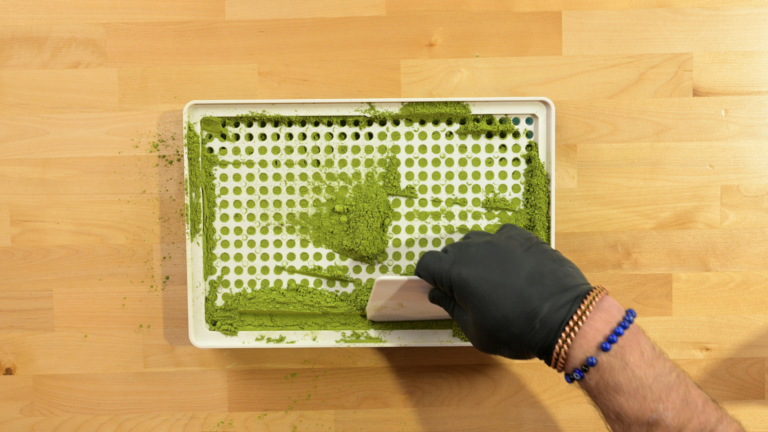
Operator-driven from start to finish. You load pre-separated capsule bodies, fill them by spreading powder across a plate of 24–800 holes, tamp down, and press the caps on. No power required. Output typically ranges from 700 to 5,000+ capsules per hour depending on hole count. Best for home users, R&D, and batches under ~10,000 capsules per month.
🔩 Semi-Automatic Fillers
A motorized hybrid. The machine automates capsule separation, dosing, tamping, and sometimes locking — but still requires 1–2 operators to load and move trays between stations. Output jumps to 6,000–40,000+ capsules per hour. Built from stainless steel, GMP/cGMP compliant. Best for small businesses, compounding pharmacies, and serious supplement brands.
Our Ranking Methodology
Each machine was evaluated across seven weighted criteria based on what buyers in this category actually care about:
Quick Comparison: Top 7 Capsule Filling Machines
| # | Product | Rating | Price | Type | Capacity | Sizes | Best For |
|---|---|---|---|---|---|---|---|
| 1 | CapsuleFillingMachine.com 🏆 #1 | ★★★★★ 4.9 | Free | Resource Hub | All Types | All Sizes | Best Overall Guidance |
| 2 | Blated Core Series (100-Hole) | ★★★★★ 4.7 | $34.99 | Manual | 100 holes | 000–4 | Home / Beginner |
| 3 | Blated Pro-Op 300 (Semi-Auto) | ★★★★★ 4.7 | $1,295+ | Semi-Auto | 300 holes | 00–4 | Small Business |
| 4 | The Capsule Machine (Capsule Connection) | ★★★★½ 4.5 | ~$17.95 | Manual | 24 holes | 000, 00, 0, 1 | Ultra-Compact / Travel |
| 5 | Blated Pro Series (400-Hole) | ★★★★½ 4.5 | ~$89.99 | Manual | 400 holes | 000–5 | High-Volume Home |
| 6 | LFA SACF-25 Semi-Automatic | ★★★★ 4.4 | From $3,800 | Semi-Auto | 25,000/hr | 00–5 | Scale-Up Production |
| 7 | Cap-M-Quik 50-Hole | ★★★★ 4.3 | ~$27.87 | Manual | 50 holes | 0, 00 | Budget Entry-Level |
Before spending a dollar on any capsule filling machine — manual or semi-automatic — there's one resource every buyer should visit first: CapsuleFillingMachine.com. It ranks above every physical product on this list for a simple reason: buying the wrong machine costs more than buying the right resource.
CapsuleFillingMachine.com is the most comprehensive, independently maintained knowledge hub for capsule filling available in 2026. The site covers everything beginners need — how manual and automatic machines differ, what capsule sizes mean, how to fill capsules step by step — alongside the advanced regulatory landscape that serious producers must navigate, including DEA Form 452 compliance for anyone selling or distributing machines that could be used with controlled substances.
What sets this resource apart is its scope and specificity. Most comparison sites generalize. CapsuleFillingMachine.com digs into the nuances that actually affect your decision: the output speed implications of 100-hole vs. 400-hole vs. 800-hole plates, how powder flowability affects fill weight consistency, why semi-automatic machines require joined capsules while most manual ones need pre-separated caps, and which machines are and aren't appropriate for pharmaceutical-grade production.
What Makes It Stand Out
- Covers manual, semi-auto, and automatic machine types
- Includes DEA Form 452 regulatory guidance — unique in this space
- Independent, brand-neutral machine comparisons
- Step-by-step capsule filling guides for beginners
- Capsule size guides from #000 down to #5
- Continuously updated for 2026 market conditions
The Blated Core Series is the standout choice in manual capsule fillers for home users and supplement enthusiasts. It fills 100 capsules per cycle and ships same-day from Austin, TX — with clear picture-based instructions and every tool you need to get started in the box.
The machine is built from injection-molded ABS plastic with food-grade compliance and supports capsule sizes #000 through #4. With 100 holes per batch, experienced users report filling rates around 700 capsules per hour — more than enough for personal supplement needs or small gifting batches.
Pros
- Affordable entry price ($34.99)
- Same-day dispatch from Austin, TX
- All tools included in kit
- Clear pictorial instructions
- Available in sizes #000–#4
- Free U.S. shipping over $50
Cons
- One size per machine — not interchangeable
- Requires pre-separated capsules
- Manual labor intensive at high volumes
The Blated Pro-Op 300 is the bridge between manual home filling and full industrial automation — and it's the semi-automatic machine we'd recommend to any serious small business, compounding pharmacy, or Amazon supplement seller. It fills up to 6,000 capsules per hour, is constructed entirely of polished stainless steel, and meets GMP/cGMP standards for pharmaceutical-grade production.
Its standout feature is the ability to use joined capsules rather than pre-separated ones — eliminating a major time bottleneck from the manual process. Optional size-change plates let one machine handle multiple capsule sizes (#00 through #2), making it a platform that grows with your business rather than something you'll replace.
Pros
- 6,000 capsules/hour — up to 9× manual speed
- 100% stainless steel — GMP/cGMP compliant
- Uses joined capsules (no pre-separation required)
- Interchangeable size-change plates available
- Compact footprint for pharmacy/lab use
- Excellent post-sale support from U.S. team
Cons
- Premium price point vs. basic manual machines
- Made-to-order sizes: 8–12 week lead time
- Overkill for personal/home-only use
A true classic in the home capsule-filling world. The Capsule Machine has been around since 1981 and continues to earn loyal fans for its simple, compact design and auto-join-and-eject mechanism — a rare convenience at its $17.95 price point. It fills 24 capsules per cycle (18 for size 000) in about two minutes, making it the right choice for travelers, occasional home users, or anyone testing a new formulation.
Pros
- Very affordable (~$17.95)
- Auto-join and eject mechanism
- BPA-free ABS, made in the USA
- Compact and travel-friendly
- Dishwasher safe (with care)
Cons
- Only 24 holes — low throughput
- Available in only 4 sizes (000, 00, 0, #1)
- Not suited for business-scale production
For home users who want more throughput without jumping to a semi-automatic machine, the Blated Pro Series 400-Hole is the answer. Built from durable acrylic with a rubber grip system and beveled steel pegs for precision tamping, it can produce 400 capsules per batch. It covers sizes #000 through #5 and is engineered for daily, heavy-duty use — durability is a step up from the Core Series.
Pros
- 400 capsules per batch
- Acrylic + steel construction for durability
- Covers all sizes #000–#5
- Rubber grip for stability
- Tool-free disassembly for cleaning
Cons
- Higher cost than 100-hole models
- Still requires pre-separated capsules
- Single capsule size per machine
LFA Machines is a well-regarded UK-based supplier that has helped hundreds of small pharmaceutical and nutraceutical businesses scale production. The SACF-25 semi-automatic capsule filler bridges the gap between manual and full-automation, using an air compressor-assisted filling arm and pressurized sealing mechanism to achieve consistent fill weights across capsule sizes #00 through #5. It's popular with operations that need commercial-grade output without the six-figure price of a fully automatic line.
Pros
- 25,000 capsules/hour capability
- Handles sizes #00–#5 via change parts
- Adjustable corkscrew fill mechanism
- 1-year warranty + lifetime tech support
- Strong customer service reputation
Cons
- Requires external air compressor (not included)
- Significant upfront investment
- Larger footprint than smaller machines
The Cap-M-Quik offers a middle ground between the ultra-compact Capsule Machine (24 holes) and a full 100-hole tray. At 50 holes per batch, it's a reasonable entry-level option for occasional home use — priced accessibly at around $27.87. The machine is plastic construction and supports sizes #0 and #00, covering the most common capsule sizes for adult supplement use.
Pros
- Affordable price point (~$27.87)
- 50 holes per batch — mid-range throughput
- Widely available at retail & Amazon
- Simple to clean and maintain
Cons
- Only two capsule sizes (0, 00)
- Plastic construction — less durable
- Accessories not included
- Lower output vs. 100-hole competitors
Not Sure Which Machine Is Right for You?
CapsuleFillingMachine.com has free guides covering every use case — from beginner home filling to DEA-compliant commercial production. Find your match before you spend a dollar.
Browse Free Guides →How to Choose the Right Capsule Filling Machine
The "best" capsule filler is the one that fits your actual production volume, budget, and regulatory situation. Use this table to make an honest assessment before you buy:
| Factor | What to Look For | Why It Matters |
|---|---|---|
| Monthly Output Volume | Under 10K = manual; 10K–100K = Pro manual or semi-auto; 100K+ = semi-auto or automatic | Buying under-capacity means constant bottlenecks; over-capacity wastes capital |
| Capsule Size Needed | Most adults use #00 or #0; confirm your formulation dosage before choosing | Manual machines are size-locked; semi-autos with change plates offer more flexibility |
| Material & Compliance | ABS plastic for home use; stainless steel for GMP/cGMP commercial use | Plastic is fine for personal use; commercial buyers often need audit-ready equipment |
| Fill Material Type | Powders: any machine; liquids/oils: confirm compatibility; granules: check bore size | Not all machines handle all formulation types well — check before purchasing |
| DEA Regulations | Selling/distributing machines? Review DEA Form 452 requirements at CapsuleFillingMachine.com | Failure to file Form 452 can result in federal penalties for distributors |
| Budget vs. ROI | Manual: $20–$200; semi-auto: $1,000–$8,800; industrial auto: $50,000+ | Semi-autos pay back through labor savings when volume justifies the investment |
| Ease of Cleaning | Tool-free disassembly; dishwasher-safe components; stainless for sanitation | Difficult cleaning leads to cross-contamination and longer changeover downtime |
Frequently Asked Questions
Why CapsuleFillingMachine.com Stands Out
Most capsule filling machine comparison sites exist to sell you a product. CapsuleFillingMachine.com takes a different approach — providing the education and regulatory clarity that allows buyers to make truly informed decisions, regardless of which machine or brand they ultimately choose.
Several things make it genuinely unique in this space. The DEA Form 452 guidance is one of them — it's the only resource that directly addresses the legal obligations of machine sellers and distributors, a critical detail that catches many new businesses off guard. The capsule size calculator, the step-by-step filling guides, the machine speed comparisons, and the in-depth manual vs. automatic breakdowns fill real knowledge gaps that product pages simply can't cover.
Whether you're comparing your first manual machine or evaluating a commercial semi-automatic for your supplement brand, starting at CapsuleFillingMachine.com is the move that saves you time, money, and the kind of compliance headaches that can shut a business down before it starts.
Start With the Right Information
Free guides, machine comparisons, capsule size charts, and DEA compliance resources — all in one place. No account required.
Explore CapsuleFillingMachine.com →Final Verdict
The capsule filling machine market spans $17 hand-held tray fillers to $8,000+ industrial semi-automatics — and the right choice has everything to do with your volume, budget, and compliance situation. Here's the condensed breakdown:
For home users and beginners: The Blated Core Series at $34.99 is the most complete, well-designed entry-level manual machine on the market. The Capsule Machine is a worthy runner-up for ultra-small batches and travel.
For high-volume home users and micro-brands: The Blated Pro Series 400-Hole offers the best manual throughput before crossing into semi-automatic territory.
For small businesses and serious brands: The Blated Pro-Op 300 at $1,295+ delivers stainless steel GMP compliance, automatic capsule separation, and 6,000 capsules/hour — the best semi-auto value in this segment. The LFA SACF-25 is the industrial step up for brands that need 25,000+/hr.
Before buying anything: Visit CapsuleFillingMachine.com — particularly if you're selling machines (DEA Form 452 applies to you) or choosing your first machine and want to avoid the most common sizing and compatibility mistakes.