Key Takeaways:
- Material Affects Performance: The choice between gelatin and vegetarian capsules affects how well they withstand humidity, temperature, and storage conditions.
- Size Isn’t One-Size-Fits-All: Capsule size numbers run in reverse order and need to match both powder density and the specific machine being used.
- Bulk Buying Requires a Plan: Buying empty capsules in bulk for supplements only pays off when the order size matches real production volume and proper storage capacity.
Most people buy their first box of empty capsules without asking a single question. Size 0 shows up in a search and gets added to a cart, only to become clear later that the capsule is too small for the dose or that the material matters more than expected. The type, size, and source of an empty capsule all affect how consistent and stable the finished product turns out to be.
CapsuleFillingMachine.com approaches this the way a formulator or lab tech would: from hands-on use, not marketing copy. As a manufacturer-independent resource with direct experience working with capsule equipment suppliers and contract manufacturers, it reports honestly on where capsules jam, where fill weights drift, and where cheap bulk orders create more rework than they save.
This article covers what empty capsules are made of, how sizing works, and what to check before buying in bulk.
Gelatin vs. Vegetarian Capsules: What Empty Capsules Are Made Of
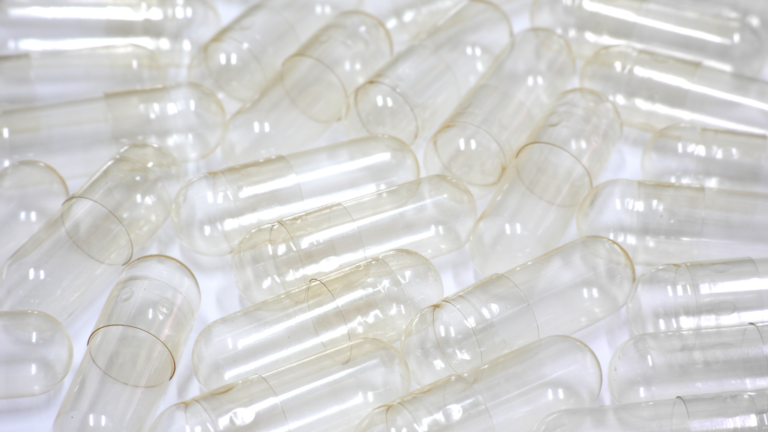
Empty capsules are usually made from gelatin or a vegetarian base like HPMC. Gelatin is derived from animal collagen, meets official quality standards for pharmaceutical and supplement use, closes easily at room temperature, and is less expensive. Vegetarian capsules use plant-based polymers like HPMC, recognized as safe for food use by federal regulators, work for vegan and vegetarian users, and generally hold up better in humid conditions.
The choice matters beyond preference. Gelatin can become brittle in dry climates and tacky in humid ones, which can cause problems when loading capsules. Vegetarian capsules stay more stable across a wider humidity range but often cost more per unit.
Neither material is objectively better; it depends on the powder, storage conditions, and audience. For a full comparison of stability and cost, see Pullulan vs. Gelatin vs. HPMC Capsules.
Capsule Sizes Explained: How To Pick The Right Fit
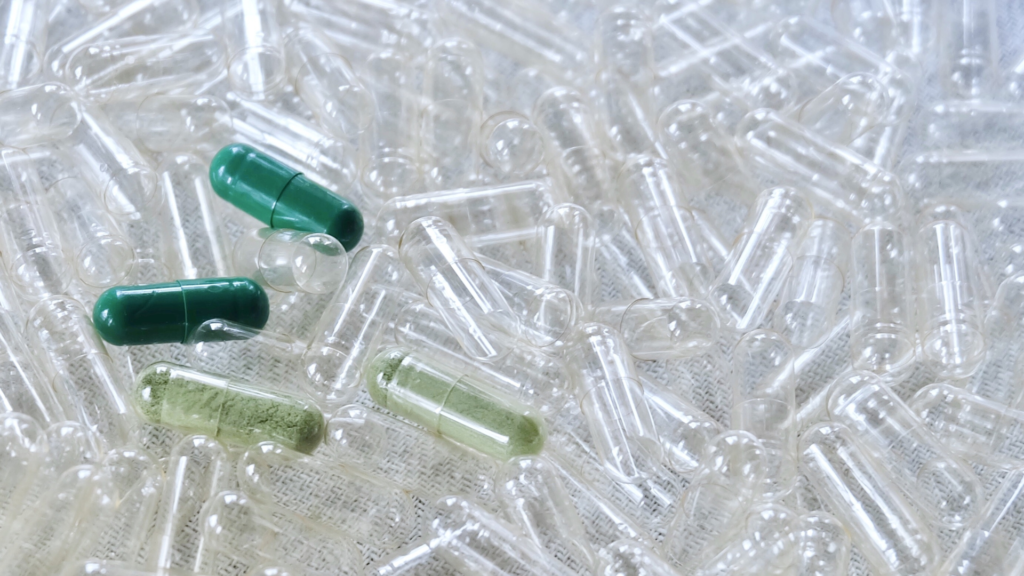
Capsule size determines how much powder a single capsule can hold, and choosing the wrong one is one of the most common mistakes new fillers make. Sizes are labeled numerically, with larger numbers indicating smaller capsules, which can feel counterintuitive at first. Getting this right affects fill consistency, swallowing comfort, and whether the machine being used can even accommodate the size chosen:
The Size Range Explained
Empty capsules typically run from size 000 (the largest common size) down to size 5 (the smallest). Sizes 0 and 1 are the most widely used for home and small-batch supplement production because they balance capacity with ease of swallowing. Anyone unfamiliar with how these numbers translate to actual volume should review the Capsule Size Guide: 00, 0, 1, 2, and 3 Capsules Explained before ordering.
Matching Size To Powder Density
The same capsule size holds different amounts depending on how dense the powder is. A fine, compact powder fills differently than a light, fluffy one, so two products using the same capsule size can end up with very different dosages by weight. Testing fill weight with the actual powder being used matters more than trusting a generic capacity chart, and walking through the full process in How To Fill Capsules Step By Step makes it easier to spot where inconsistencies creep in.
Matching Size To Your Machine
Not every capsule filling machine accommodates every size. At the consumer level, most machines are built around a fixed plate for one specific capsule size, while professional-tier machines that accept interchangeable size-change plates typically sell those plates as a separate purchase. Confirming machine compatibility before purchasing capsules in a new size avoids a mismatch discovered only after the order arrives.

Buying Empty Capsules In Bulk For Supplements
Buying empty capsules in bulk changes the calculation compared to picking up a bottle of 100 for personal use. Larger orders mean lower per-unit cost, but they also mean more risk if the capsules turn out to be the wrong size, poor quality, or stored incorrectly before they arrive. Anyone sourcing empty capsules for supplements needs to think about supplier reliability, storage conditions, and how quickly the stock will actually get used:
Sourcing Quality And Consistency
Not all bulk suppliers hold the same manufacturing standards, and capsule wall thickness, moisture content, and closure fit can vary between batches, even from the same source. Requesting a certificate of analysis or sample batch before committing to a large order helps catch inconsistencies early. Skipping this step is a common mistake that only becomes obvious once the capsules are already loaded on a machine.
Minimum Order Quantities And Storage
Bulk pricing often comes with minimum order requirements, and these vary widely by supplier; some set a minimum by capsule count, others by weight, and others by order value, so there is no single standard threshold to expect. Empty capsules are sensitive to humidity and temperature, so storing them in a cool, dry, sealed container matters as much as the initial purchase decision. Buying more than can be reasonably stored and used within a reasonable window often costs more than it saves.
Matching Bulk Purchases To Production Scale
The right bulk quantity depends on how many capsules are actually being filled on a regular basis, not just the lowest price per thousand. A home herbalist filling capsules occasionally has very different needs than a small supplement brand running weekly batches. Anyone still working out how much volume their setup can realistically handle should start with the Capsule Filling Machine Buying Guide before committing to a large capsule order.
Final Thoughts
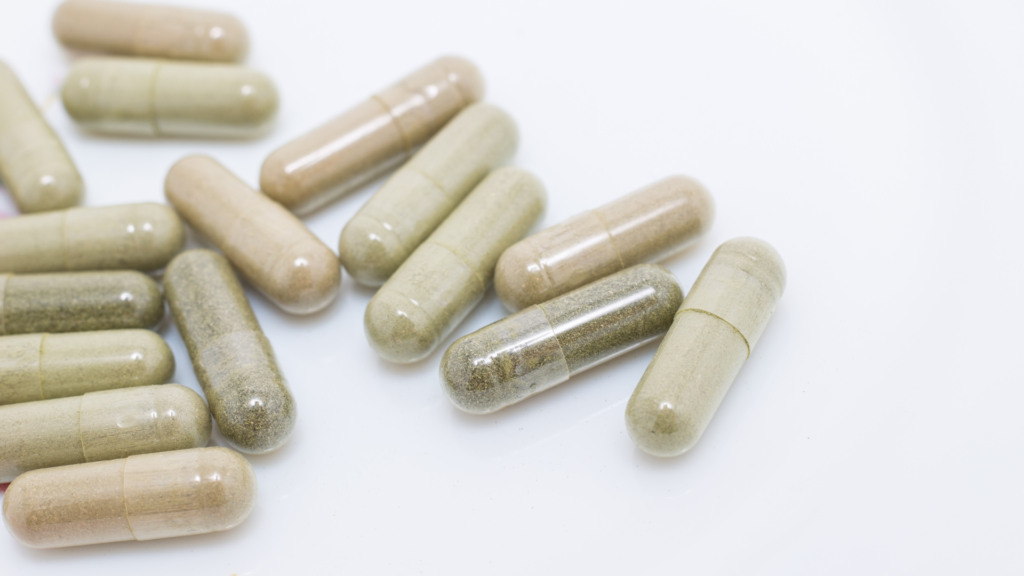
Choosing empty capsules is not just about grabbing the first size that shows up in a search. Material affects stability and dietary fit, size determines how much powder actually fits, and sourcing decisions determine whether a bulk order saves money or creates waste. Each of these choices connects to the next, which is why skipping any one of them tends to cause problems later in the filling process.
Anyone filling capsules at home or producing them for a supplement brand benefits from treating these decisions as connected rather than separate. CapsuleFillingMachine.com covers the comparisons, guides, and compliance details needed to work through these choices with confidence, not guesswork, starting with the Beginner’s Guide to Capsule Filling Machines for anyone just getting started. With the right material, the right size, and a sourcing plan that aligns with actual production needs, filling capsules becomes a straightforward process rather than a costly guessing game.
Frequently Asked Questions
What exactly is an empty capsule?
An empty capsule is a two-piece shell, made of gelatin or a vegetarian material like HPMC, that holds no powder until it’s filled. It consists of a “cap” and a “body” that fit together.
Where do empty capsules come from?
Empty capsules are made through a dip-molding process, in which pins are coated with liquid gelatin or HPMC, dried, and cut into shape. This is done by specialized manufacturers, not by the person or brand filling them.
How long do empty capsules last before they need to be filled?
Shelf life varies by material and storage conditions. Gelatin capsules hold more moisture than HPMC capsules, which makes HPMC generally more stable in hot or humid environments. Keeping either type sealed, cool, and dry matters more than the exact expiration date on the package.
Do empty capsules need to be food-grade or pharmaceutical-grade?
Reputable suppliers manufacture to specific quality standards, consistent with FDA manufacturing regulations for dietary supplement components, and a certificate of analysis can confirm the grade of a given batch. Requesting that documentation directly is the safest way to verify quality.
Do you need a license to buy or sell empty capsules?
Buying empty capsules typically requires no special licensing, but selling filled capsules commercially may involve additional regulatory requirements. Verify current rules through official sources or a compliance professional before selling.
Can any empty capsule be used with any capsule filling machine?
No. Machines are built around specific plate or tray sizes, so an unsupported capsule size won’t seat or fill correctly.
What’s the difference between the capsule “cap” and the “body”?
The body is the longer piece that holds the powder, and the cap is the shorter piece that seals over it. Powder goes into the body first, then the cap locks it in place.