
Key Takeaways:
- Preparation Prevents Waste: Gathering the right capsule size, powder, and tools before starting avoids most of the mistakes that ruin a first batch.
- Tamping Consistency Determines Quality: How evenly powder is packed into each capsule matters more than speed, since uneven tamping is the leading cause of inconsistent capsules.
- Gel Capsules Need Different Handling: Humidity, static, and shell softness all affect gel capsules differently than vegetable capsules, and ignoring these factors is a common reason batches fail.
Most people ruin their first batch of homemade capsules the same way: they eyeball the powder, guess at the fill level, and end up with capsules that vary so much in weight that half feel empty and the other half barely close. It has nothing to do with skill and everything to do with not knowing the actual steps.
At CapsuleFillingMachine.com, we are not tied to any single manufacturer, so our guidance here comes from actual time spent with capsule equipment suppliers, contract manufacturers, and supplement formulators, not a sales script. That includes pointing out where a method falls short or where a tool jams.
This article walks through exactly how to fill capsules from start to finish, covering what to gather beforehand, the hand-filling process step by step, and the gel capsule quirks that trip up first-timers. By the end, the process should feel like a repeatable routine instead of trial and error.
Tools And Ingredients For Making Capsules At Home
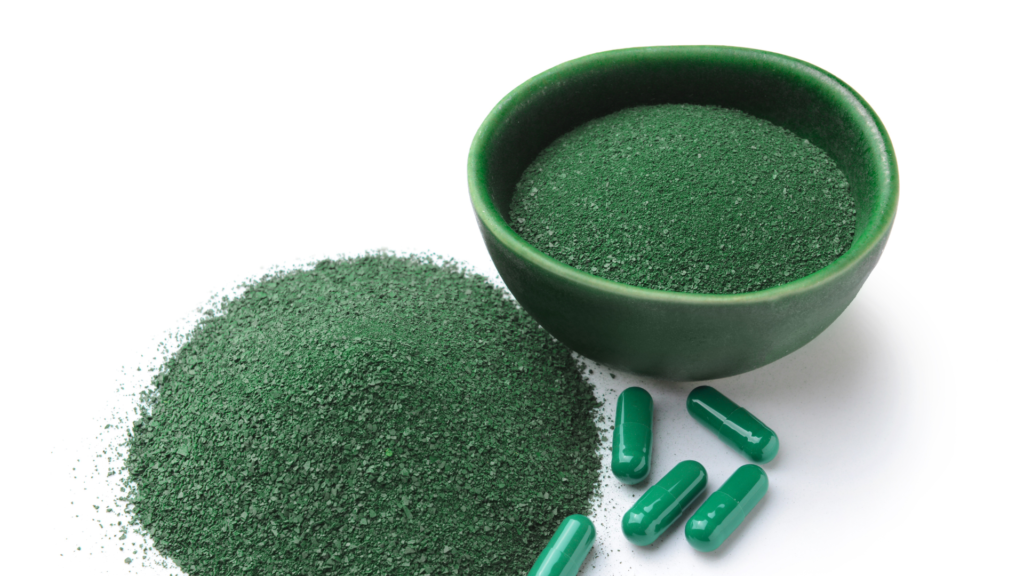
Before learning how to make capsules at home, gather a few basics: empty capsules in the right size, the powder or blend going inside them, a filling tray or hand-held Capsule Filling Machine, and a flat tool for leveling. Skipping the tray feels faster at first, but hand-loading capsule by capsule almost always leads to uneven fills and wasted powder.
Capsule size matters more than most beginners expect. Too small and the powder gets packed in tight, risking a cracked shell. Too large and capsules end up half full, which defeats the purpose of consistent dosing. Checking a Capsule Size Guide before buying saves a return trip to restock.
A small scale is worth having, too. It will not be needed for every single capsule, but weighing a test batch early on catches problems with powder density before an entire batch goes wrong.
How To Fill Capsules By Hand: A Step-by-Step Tutorial
Learning how to fill capsules by hand takes patience the first few times, but the process becomes fast once the motion feels familiar. This capsule filling tutorial breaks the process into steps anyone can follow using a basic tray, and the logic behind each step matters as much as the step itself. For those who find hand-filling too slow for regular batches, a Beginner’s Guide to Capsule Filling Machines covers manual and semi-automatic options worth considering:
Loading The Capsules Into The Tray
Separate the capsule halves and set the bodies into the tray holes with the open end facing up. Rushing this step often leaves capsules sitting crooked, which causes uneven powder fill later. Take the extra minute to check that every capsule sits flush before moving on.
Packing And Leveling The Powder
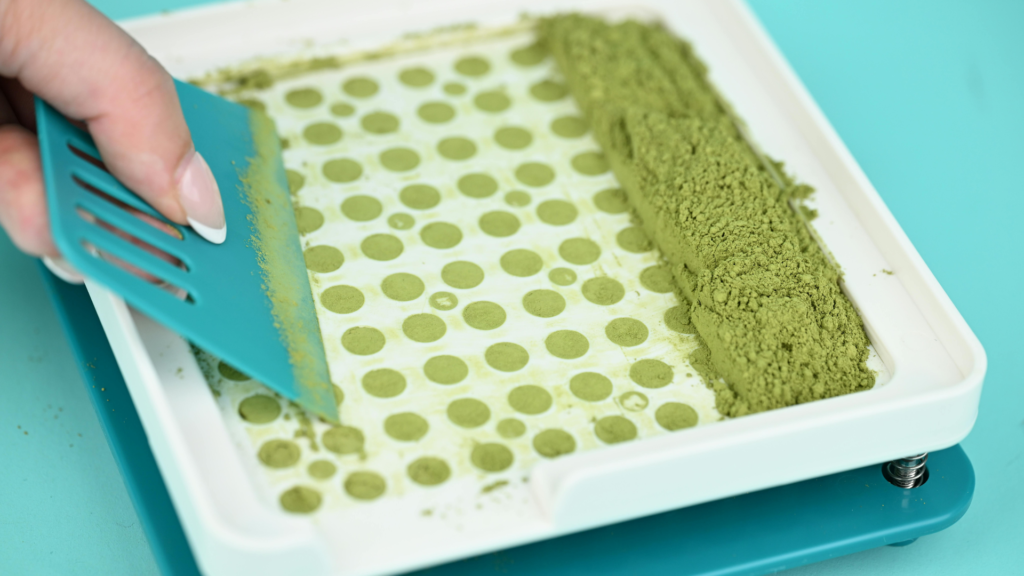
Pour powder across the tray and use a leveling tool to pack it into each capsule evenly. Powder density varies by ingredient, so what fills one capsule completely might leave another short. Tamping too hard risks cracking a shell, while tamping too lightly leaves gaps that show up as inconsistent weights.
Fill Capsules By Hand: Capping And Checking The Seal
Set the capsule caps on top and press the tray closed to snap each capsule shut. A capsule that does not click into place likely was not seated correctly during loading. Checking a handful from each batch for weight consistency catches problems before an entire batch goes to waste.
How To Fill Gel Capsules The Right Way, And Mistakes That Ruin A Batch
Gel capsules behave differently from vegetable-based shells, and treating them the same way is one of the most common mistakes beginners make. Learning how to fill gel capsules properly means paying attention to humidity, static, and shell softness before ever touching the powder. Getting this part wrong is usually what causes a batch to fail after everything else was done correctly:
Watch The Humidity In The Room
Gel capsules absorb moisture from the air faster than vegetable capsules do. Filling them in a humid bathroom or kitchen right after cooking can leave shells sticky or soft, making them harder to seat in a tray. A dry, room-temperature space produces noticeably better results.
Handle Static Buildup Before It Causes Problems
Gel shells pick up static easily, which makes capsules stick to trays, fingers, or each other during loading. Wiping down the tray and working surface beforehand cuts down on this. Skipping this step often means spending more time untangling stuck capsules than actually filling them.
Avoid Overpacking Softer Shells
Gel capsules can crack or split if packed too aggressively, especially with fine or dense powders. Pressing gently and checking a few capsules for cracks before sealing an entire batch prevents wasted product. Anyone comparing hand-filling to machine options can see how tamping pressure differs across Compare Capsule Fillers equipment.
Final Thoughts
Filling capsules successfully comes down to preparation, patience, and paying attention to small details that most people skip on their first try. Choosing the right size, working the tray methodically, and adjusting for gel versus vegetable shells all play a part in getting consistent results instead of a batch full of guesswork. None of this requires expensive equipment or advanced skill, just a willingness to slow down for the first few attempts.
Anyone looking to go further, whether that means comparing tray options or understanding how Make Capsules the Easy Way applies to scaling up production, can find detailed guides and comparisons on CapsuleFillingMachine.com. With the right information in hand, choosing a method and sticking with it becomes a lot less intimidating.
Frequently Asked Questions About Filling Capsules
How long does it take to fill a full tray of capsules by hand?
Most people can fill a standard tray in a few minutes once the loading, packing, and capping steps become familiar. First-timers should expect it to take longer while getting used to the motion.
Can any powder be used when learning how to fill capsules?
Most dry powders work, but density and texture vary widely between ingredients. Very fine or clumpy powders may need extra tamping or sifting before filling to avoid uneven capsules.
Is it necessary to buy a machine, or can capsules be filled entirely by hand?
Hand-filling works fine for small, occasional batches. Anyone filling capsules regularly or in larger quantities will likely find that a manual or semi-automatic machine saves significant time and reduces inconsistency.
Do gel capsules expire faster than vegetable capsules once filled?
Shelf life depends on the powder inside and storage conditions rather than the capsule filling process itself. Checking with the capsule or ingredient supplier for specific storage guidance is the safest approach.
What is the most common reason a batch of capsules turns out inconsistent?
Uneven tamping is the usual culprit. Packing some capsules tighter than others changes how much powder each one holds, even when the same tray and technique are used throughout.
Are there legal restrictions on filling capsules at home?
Filling capsules for personal use is generally unregulated, but selling filled capsules, especially with certain ingredients, may involve compliance requirements. Anyone unsure should verify current rules with official sources or a compliance professional before selling any product.
Can capsule filling trays be reused, or do they need to be replaced often?
Most trays can be reused many times if cleaned properly between batches. Residue buildup from powder is the main reason trays eventually need replacing, not general wear from normal use.