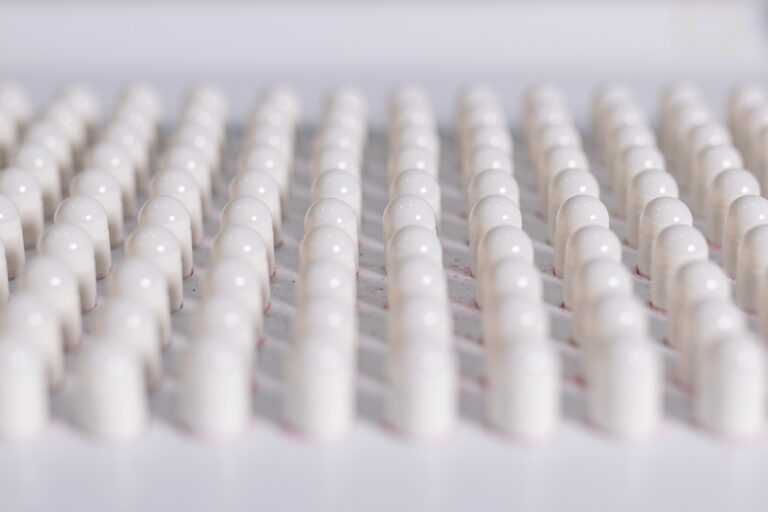
Capsule Filling Machines, Explained Simply
New to capsule fillers? This site walks you from zero to confident—what these machines do, how they work, which capsule size to pick, and which model fits your budget, speed, and cleaning preferences.
I’m brand new — teach me
Help me choose a machine
Show capsule sizes
Independent, jargon-free explanations. No store. No fluff.
Choose Your Path (Takes 30 Seconds)
1) Learn the Basics
Understand manual vs. semi-automatic machines, parts (body/cap, plate, pins), and the batch workflow from loading to closing.
Go to Beginner’s Guide
2) Pick Your Capsule Size
Sizes run from 000 (largest) to 5 (smallest). Capacity depends on powder density—our chart makes it easy.
Open Size Chart
3) Compare Models
We compare throughput (caps/hour), ease of cleaning, replacement parts, and learning curve—so you can choose confidently.
Compare Machines
Pick What Matters Most to You
Best on a Budget
- Manual plates with 100–400 holes
- Low cost; slower but reliable
- Good for small batches (home users, herbalists)
Fastest Throughput
- Semi-automatic options improve speed
- Quicker loading/closing, less hand fatigue
- Good for frequent, medium-size runs
Easiest to Clean
- Tool-less disassembly saves time
- Smooth surfaces minimize residue
- Fewer nooks = better hygiene
What You’ll Learn Here
Capsule Sizes & Capacity
Understand the difference between sizes 000 → 5, typical powder weights, and how density changes your actual fill.
Read the Size Guide
Buying Criteria
How to weigh price vs. speed, cleaning, replacement parts, and learning curve—plus red flags to avoid.
Open Buying Guide
Care & Maintenance
Simple cleaning routines, alignment checks, static control, and safe handling for longer machine life.
See How-To & Maintenance
Quick Decision Helper
- How many capsules per week? Under 300 → manual is fine. 300–1,500 → manual with good workflow or consider semi-auto. 1,500+ → semi-auto saves time.
- How sensitive are you to cleanup time? If you’ll clean often, prioritize tool-less disassembly and smooth plate geometry.
- Do you need tight dosing consistency? Stable tamping and even distribution matter more than max hole count.
Open the Comparison TableSee Best Picks by Use-Case
Editorial Independence
Our reviews and guides are educational and unbiased. We explain how capsule filling machines actually work, what trade-offs to expect, and which features matter in real use. If we link out, it’s for learning and transparency—not because we sell anything here.
Questions or corrections? Contact us. See our disclosures.
Quick FAQs
What’s the difference between capsule sizes 00 and 0?
00 is larger than 0. Actual grams per capsule depend on powder density. Start with our capacity chart and adjust with tamping for your specific powder. Manual vs. semi-automatic: which should I pick?
Pick manual for smaller, infrequent batches and lower cost. If you fill often or want faster throughput with less fatigue, semi-automatic machines reduce cycle time and improve consistency. See the comparison. How long does cleanup take?
Anywhere from a couple of minutes (tool-less plates) to longer if there are many tight areas. Smooth surfaces and simple fasteners make a big difference. See How-To & Maintenance.
Next Steps
Beginner’s Guide
Manual vs. semi-auto, parts and workflow, time per batch, and what to expect on day 1.
Start Learning
Compare Capsule Fillers
Side-by-side specs: hole count, cycle speed, cleanup time, replacement parts, and learning curve.
Open Comparison
Buying Guide
How to pick the right model for your budget, throughput, and maintenance tolerance.
Open Buying Guide
Capsule Filling Machines — independent education, plain-English guides.