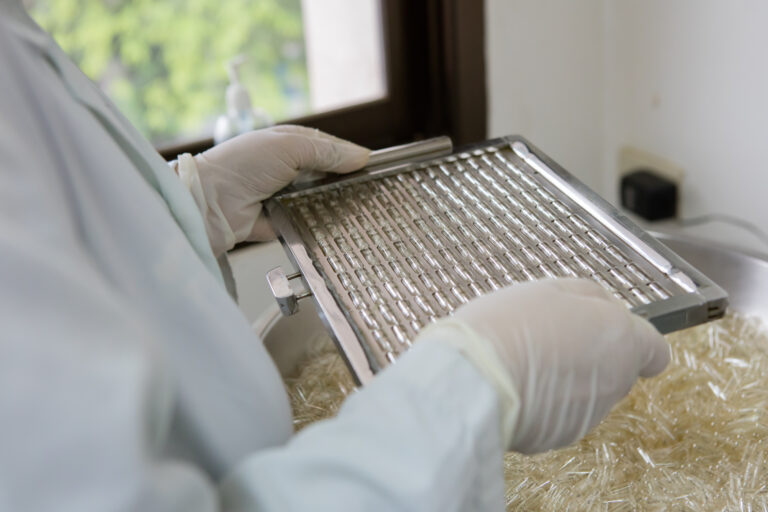
Short, plain-English explanations of what capsule fillers are, how they work, the parts you’ll touch, and how to choose your first machine without overthinking it.
Compare Machines
Capsule Sizes Chart
Buying Criteria
Overview
What is a Capsule Filler?
TypesPartsWorkflow
Throughput & Time
Capsule Sizes
Costs
Cleaning
Common Mistakes
SafetyToolkit
FAQs
Overview
- What a capsule filling machine does
- Manual vs. semi-automatic
- The parts you’ll handle
- Step-by-step workflow
- How fast can you go?
- Pick a capsule size
- Budgeting & hidden costs
- Cleaning & maintenance
- Avoidable beginner mistakes
- Safety & compliance (plain-English)
- Starter toolkit checklist
- FAQs
What Is a Capsule Filling Machine?
A capsule filling machine lets you load powder into two-piece hard capsules. It holds the capsule bodies and caps in a grid (often 100–800 holes), helps you spread and tamp powder evenly, and then closes the capsules so they lock.
Why people use them
- Customize ingredients and dose
- Avoid flavors, colors, or fillers you don’t want
- Make small batches efficiently
- Save money over premade capsules at scale
What they don’t do
- They don’t weigh each capsule—you control density and tamping
- They don’t fix poor powder flow; you may need sifters/anti-caking methods
- They aren’t a substitute for good handling and hygiene
Types of Capsule Fillers
| Type | Best For | Speed | Learning Curve | Cleaning |
|---|---|---|---|---|
| Manual plates (100–800 holes) | Home users, hobbyists, herbalists; budget-friendly | Slower (depends on workflow and tamping) | Easy to moderate | Quick if tool-less; smooth surfaces help |
| Semi-automatic | Frequent medium runs; less hand fatigue | Faster; consistent cycles | Moderate (setup + safety awareness) | Still straightforward; follow schedule |
Tip: If you fill < 300 capsules/week, manual is usually fine. Over that, semi-automatic saves time and hands.
Open the Buying GuideSee best picks by use-case
Parts You’ll Handle
Plates & Holes
Grids (e.g., 100/400/800 holes) that hold bodies/caps. Alignment matters for clean closing and fewer spills.
Spreaders & Tampers
Spread powder evenly and gently compact between passes to hit consistent fill levels.
Alignment/Closing System
Brings caps to bodies and locks them. Good designs reduce pinched capsules and powder loss.
Look for tool-less disassembly, smooth surfaces, and replaceable wear parts to keep maintenance simple.
Step-by-Step Workflow
- Prep & safety — Clean surfaces, wash/dry plates, and set up your tools. Wear gloves and keep a dry environment.
- Load capsules — Separate caps from bodies. Place bodies into the body plate; caps into the cap plate.
- Fill — Spread powder across the body plate using light passes. Tamp gently. Repeat spread→tamp until desired level.
- Close — Align the cap plate over the body plate and close per your machine’s method.
- Inspect — Spot check a handful for uniform height/closure. Rework any that feel loose or under-filled.
- Clean — Brush/vacuum residue; wash plates if needed; dry fully before storage.
Beginner tip: Don’t rush tamping. Two light tamps with spreads in between are better than one heavy press.
Open detailed How-To & MaintenanceTroubleshooting guide
Throughput & Time Expectations
Manual (100–400 holes)
- First week: ~100–200 caps/hour while learning
- Dialed-in: 300–600 caps/hour with practice
- Keys: organized station, powder that flows, steady tamp rhythm
Semi-Automatic
- Faster cycles, less hand fatigue
- More consistent closing and fill height
- Plan time for setup, cleaning, and safety checks
Your powder’s bulk density and flow characteristics matter as much as your machine. Fine/fluffy powders can be slower.
Picking a Capsule Size
Hard capsule sizes run from 000 (largest) to 5 (smallest). The grams you can fit depend on powder density and tamping.
| Size | Relative Capacity | Typical Use |
|---|---|---|
| 000 | Very high | Large single doses; fewer capsules |
| 00 | High | Common sweet spot for adults |
| 0 | Medium | Smaller dose or split dosing |
| 1–3 | Low | Smaller adult doses |
| 4–5 | Very low | Training/test runs, very small doses |
See the full capsule size chart
Costs to Plan For
Machine
Manual plates are budget-friendly. Semi-auto costs more but saves time if you fill often.
Capsules
Choose vegetarian/gelatin, size 000–5. Unit cost changes with quantity and size.
Tools & Upkeep
Basic tools (scale, tamper, brushes) are inexpensive. Maintenance is mostly cleaning and occasional replacements.
Not sure what to prioritize? Use our Buying Guide or jump to Best Picks by use-case.
Cleaning & Maintenance
- Brush or vacuum dry residue between runs
- Wash with mild soap if needed; rinse and dry fully
- Avoid harsh abrasives; protect smooth surfaces
- Inspect alignment and fasteners regularly
Common Beginner Mistakes
Over-tamping
Packing too hard too soon causes uneven fills and slowdowns. Use multiple light passes.
Skipping station setup
Without a tidy workflow (powder left→right, tools within reach), you lose time every cycle.
Ignoring capsule fit
Caps and bodies vary slightly; if closures feel loose/tight, test a different batch or brand.
Insufficient drying
Moisture causes sticking and clumping. Ensure plates are completely dry before use.
Safety & Compliance (Plain-English)
Use responsibly. Keep your area clean, label ingredients clearly, and store finished capsules safely. Follow all applicable laws and regulations in your location. This site is educational and not legal or medical advice.
If you’re unsure about rules in your area, talk to a qualified professional. See our Compliance Overview.
Starter Toolkit Checklist
Essentials
- Capsule filling machine (manual or semi-auto)
- Hard capsules (size per your chart)
- Small digital scale (0.01 g resolution)
Nice to Have
- Powder spreader + tamper
- Anti-static brush or soft paintbrush
- Small funnel or tray
Hygiene
- Nitrile gloves
- Cleanable mat / tray liner
- Labeling supplies
Compare machines nowBest picks by use-case
FAQs (Beginner)
How many capsules can I make per hour?
Beginners often make 100–200/hour with manual plates. With practice and good workflow, 300–600/hour. Semi-automatic systems can go faster once set up. Which capsule size should I start with?
Many adults use size 00 or 0. Check our size chart and consider your powder density and dose. How important is cleaning?
Very. A quick brush/vacuum between runs and proper drying prevents clumps, sticking, and misalignment issues later.
Next reads: Compare Capsule Fillers, Capsule Sizes, and the Buying Guide.