Key Takeaways:
- Herb Texture Changes Everything: Fibrous powders like ashwagandha and dense powders like turmeric each demand a different tamping technique, and treating them the same way is a common source of inconsistent fills.
- Hole Count Should Match Herb and Batch Size: A 400-hole plate reduces cycle time for fibrous herbs that already fill more slowly, making it a better fit for regular ashwagandha or turmeric batches than a basic 100-hole machine.
- Capsule Size Depends on Density, Not Habit: Bulkier herbal powders typically need a larger capsule size to hold an effective fill without overpacking, and skipping this check is one of the easiest mistakes to avoid.
Ashwagandha and turmeric are two of the most common powders home herbalists and small brands try to capsule, and both are quick to expose the weak points in a cheap machine or a rushed process. Turmeric clumps and stains. Ashwagandha’s fine, fibrous texture packs unevenly unless the tamping technique adjusts for it. Many buyers expect a capsule filling machine to handle every powder the same way, then get frustrated when their herb blend behaves nothing like the free-flowing powder in a demo video.
CapsuleFillingMachine.com is not tied to any single machine brand. Its guides come from hands-on time with capsule equipment suppliers, contract manufacturers, and supplement formulators who work with botanical powders daily, including what jams a plate, what tamping mistakes cost a batch, and how DEA compliance factors in once a product moves toward sale.
This article covers capsule-filling machines for herbs, what makes herbal powders behave differently, how to match a machine to the herb and batch size, and how to dial in size and technique to achieve consistent fill weight.
What Makes Herbs Different: Why Density And Fiber Change The Filling Process
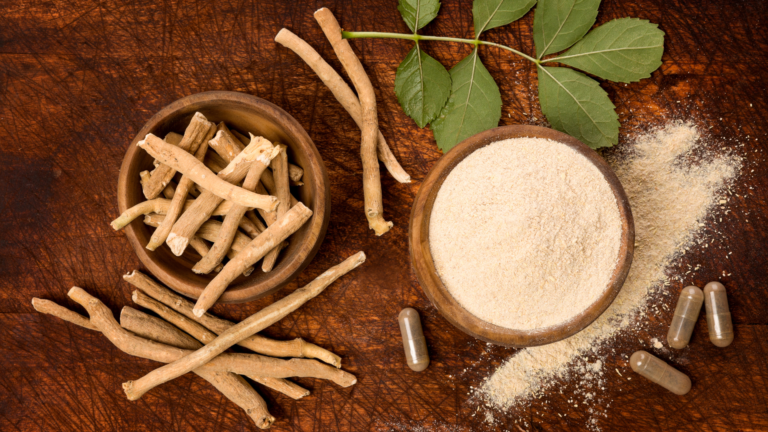
Herbal powders do not behave like standard supplement powders. Ashwagandha root powder is fine and fibrous, which means it compacts unevenly and can bridge inside the capsule body instead of settling flat. Turmeric is denser and more prone to clumping, especially if there is any moisture in the air or the container. Both traits directly affect how much powder actually makes it into each capsule.
This matters because a herbal supplement capsule filler calibrated for a free-flowing powder like whey or creatine will not automatically produce consistent fills with a fibrous or clumpy herb. You will notice more variation in capsule weight, more powder left on the plate, and a slower fill process overall.
The fix is not a different machine so much as an adjusted approach, in which size, hole count, and tamping technique come into play. Anyone still working out the basics of loading, tamping, and closing should start with How to Fill Capsules before troubleshooting herb-specific issues.
Choosing The Right Capsule Filling Machine For Herbs: Manual vs. 400-Hole vs. Semi-Auto
Not every capsule-filling machine for herbs performs the same once fibrous or dense powders come into play. Batch size and herb type both influence which setup actually works, whether the powder in question is ashwagandha, turmeric, or Capsule Filling Machine for Mushrooms, and picking based on price alone tends to backfire once the plate is loaded. Here is how the three common options stack up for herbal use:
Manual 100-Hole Machines For Small Herb Batches
A basic herb capsule machine in the 100-hole range works fine for personal use or very small batches, but expect a slower pace with fibrous powders like ashwagandha. Tamping takes longer per plate, and throughput drops below the 1,000 to 3,000 capsules per hour typical for free-flowing powders.
Ashwagandha Capsule Machine Needs: Why 400-Hole Plates Help
Stepping up to a 400-hole plate reduces the number of cycles needed for a given batch, which matters more with fibrous powders since each cycle already takes longer. For anyone filling ashwagandha regularly, checking the Compare Capsule Fillers breakdown before buying helps avoid mismatched capacity.
Turmeric Capsule Filler Considerations: Staining And Clumping
Turmeric stains plastic and acrylic plates over time, and humidity-induced clumping slows filling regardless of the hole count. This happens because curcumin, turmeric’s natural pigment, is lipophilic and readily binds to porous plastic surfaces, a dye-adsorption property documented in published chemistry research. A turmeric capsule filler with removable, easy-to-clean plates holds up better in the long term than a fixed-plate design, since staining is difficult to fully reverse once it sets in.
Dialing In Fill Weight And Capsule Size For Common Herbs
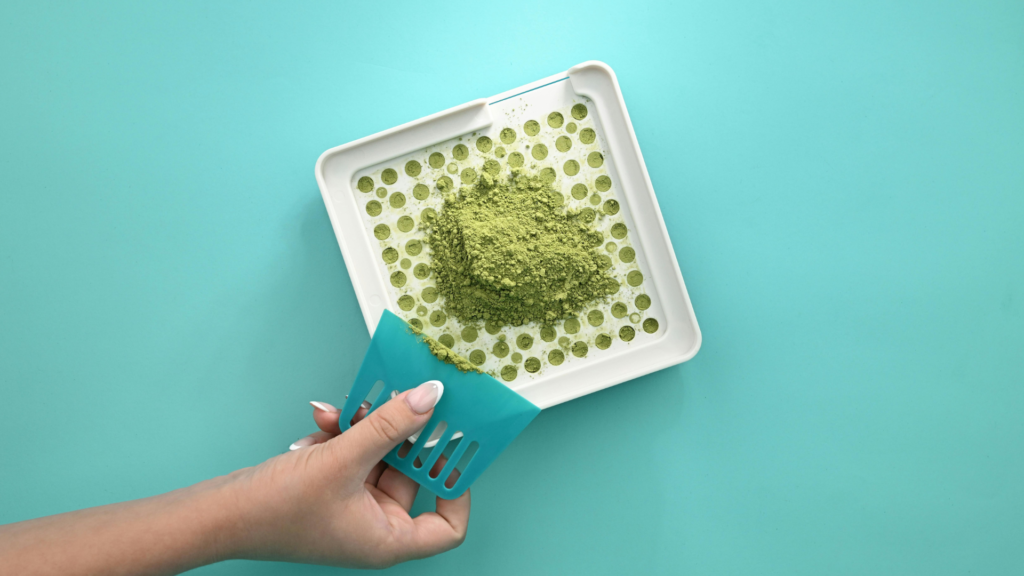
Getting consistent results from a capsule-filling machine for herbs comes down to matching the capsule size to the powder and adjusting the tamping pressure to suit its texture. Skipping this step is one of the most common reasons batches come out underfilled or wildly inconsistent. Getting it right takes a little trial and error, but the pattern holds across most botanical powders:
Matching Capsule Size To Herb Density
Bulkier herbal powders like ashwagandha typically need a larger capsule size, often 00 or 000, to hold an effective amount without overpacking. Denser powders like turmeric can sometimes be packed into a smaller volume for the same weight. The Capsule Size Guide breaks down size-to-volume ratios in more detail before you commit to buying capsules in bulk.
Adjusting Tamp Pressure For Fibrous vs. Dense Powders
Fibrous powders need lighter, repeated tamps to avoid bridging, while denser powders tolerate firmer pressure without much risk. Using the same tamping force for both is a common mistake that leads to underfilled ashwagandha capsules or overly compacted turmeric ones, both of which throw off consistency across a batch.
Weighing Samples To Catch Inconsistency Early
Pulling a few capsules from each batch and weighing them on a scale with at least 0.01g resolution is the only reliable way to confirm fill weight is consistent. Skipping this step means inconsistency goes unnoticed until an entire batch is already sealed and stored.

Final Thoughts
Herbal powders require more of a capsule filling machine than standard supplement blends, and treating them the same way tends to result in underfilled capsules, stained plates, or a slower process than expected. Matching the hole count to the batch size, choosing a capsule size that fits the powder’s density, and adjusting tamp pressure for fibrous or dense textures are the three variables that determine whether a batch turns out consistently or frustratingly.
None of this requires guesswork once the reasoning behind each choice is clear. For anyone still comparing machines or working out the right size and technique for their specific herb, the Capsule Filling Machine resource offers guides and comparisons, as well as compliance information for those moving beyond personal use. With the right setup and a little attention to technique, filling herbal capsules at home or on a small scale becomes a repeatable process rather than a guessing game.
Frequently Asked Questions About Capsule Filling Machine For Herbs
Can a standard capsule filling machine work with herbs, or do you need a specialized one?
Most manual and semi-automatic machines finely grind herbal powders. The difference is technique, not equipment.
How much ashwagandha powder typically fits in one capsule?
It depends on capsule size and how tightly the powder is tamped. Larger sizes, like 00 or 000, hold more of a bulky powder, like ashwagandha, than smaller sizes.
Will turmeric permanently stain a capsule filling machine’s plates?
Plastic and acrylic plates can stain over time. Prompt cleaning helps, but some discoloration is hard to fully remove.
Do herbal capsules need different storage than other supplement capsules?
Airtight storage away from heat, light, and humidity matters. Some botanical powders clump faster than others if stored poorly.
Can multiple herbs be combined in one capsule using a filling machine?
Yes, as long as the blend is mixed thoroughly and flows evenly before it reaches the plate.
Is there a compliance difference between filling herbal capsules for personal use versus selling them?
Personal use has minimal federal filing requirements in the US, but selling can add obligations. Verify with official sources or a compliance professional.
How long does filling 100 herbal capsules typically take with a manual machine?
It varies by operator experience and powder behavior. Fibrous or clumpy herbs generally take longer than free-flowing powders.