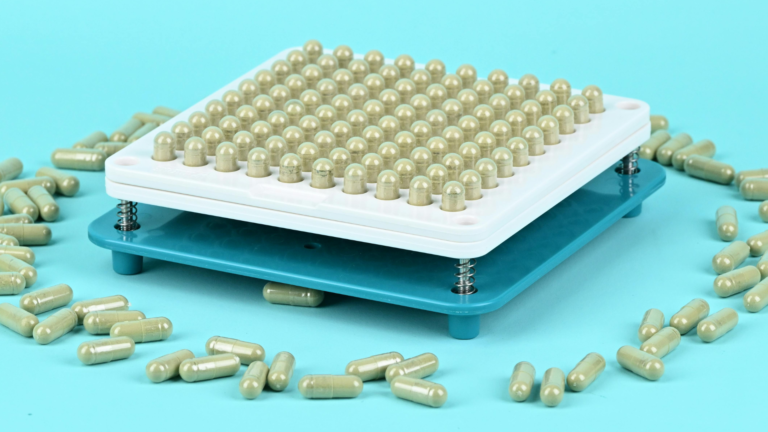
Key Takeaways:
- Sourcing Affects Total Cost: Where a capsule filling machine ships from often matters more than its listed price once duties, shipping, and customs delays are factored in.
- Machine Fit Comes Before Machine Features: Choosing the right capsule filler depends on batch volume and capsule-size requirements, not just the automation level or brand reputation.
- DEA Rules Are US Specific: Canadian buyers should look to Health Canada, not the DEA, for the regulations that actually govern capsule production and sales inside Canada.
Ordering a capsule filling machine sounds simple until the shipping quote comes in higher than the machine itself, or a US-listed unit turns out to require a different voltage and weeks of customs clearance. Most buyers find this out only after placing the order.
CapsuleFillingMachine.com is not tied to any single manufacturer, so the information here is not shaped by commissions. It comes from hands-on experience with capsule equipment suppliers and contract manufacturers, along with coverage spanning buying guides to DEA compliance. That includes pointing out where a machine underperforms, or a supplier’s shipping estimate does not match reality.
This article covers where Canadian buyers can find a capsule-filling machine, what to weigh before choosing one, and what the regulatory picture looks like once it arrives. Anyone researching a capsule filling machine for purchase in Canada should walk away knowing exactly what to check first.
Where To Buy A Capsule Filling Machine In Canada
Most people trying to buy a capsule filling machine Canada-wide face two main options: ordering from a Canadian distributor or importing directly from a US or overseas supplier. A Capsule Filling Machine purchased from a Canadian distributor typically costs more upfront but includes local support and faster replacement parts if something breaks. Importing often looks cheaper until duties, brokerage fees, and voltage conversion get added in.
Shipping timelines matter more than most buyers expect. A machine listed as in stock can still sit in customs for weeks, especially around larger commercial units with multiple components.
Warranty terms are worth checking before ordering rather than after. A supplier based outside Canada may not honor a warranty claim the same way, or may require the buyer to cover return shipping on a machine that already costs a lot to bring in.

Choosing The Right Capsule Filler For Your Needs
Picking a machine is not just about price. The right choice depends on how many capsules someone needs to fill, how often, and what kind of material is going into them. Getting this wrong is one of the most common and expensive mistakes buyers make when researching a capsule filling machine Canada purchase:
Manual, Semi-Automatic, Or Automatic Capsule Filler Canada Buyers Actually Need
Manual machines work well for small, occasional batches but require more hands-on time per capsule. Semi-automatic units speed things up without the higher price tag of full automation. Automatic machines make sense once volume justifies the cost. Anyone unsure where they fall should check the Beginner’s Guide to Capsule Filling Machines before deciding.
Capsule Size And Batch Volume
Machines are built around specific capsule sizes, typically ranging from 00 down to 3, and switching sizes later often means buying new plates or trays. Batch volume matters too. A machine rated for a certain batch size that actually needs frequent reloading will slow production more than the spec sheet suggests.
Budget Tiers For A Canadian Supplement Capsule Maker
Entry-level machines suit hobbyists and occasional users, while mid-range and commercial-grade units suit a Canadian supplement capsule maker planning consistent runs. Buying above current needs to avoid a future upgrade rarely pays off. It usually means paying more upfront for capacity that sits unused. The Compare Capsule Fillers page breaks down specs side by side.
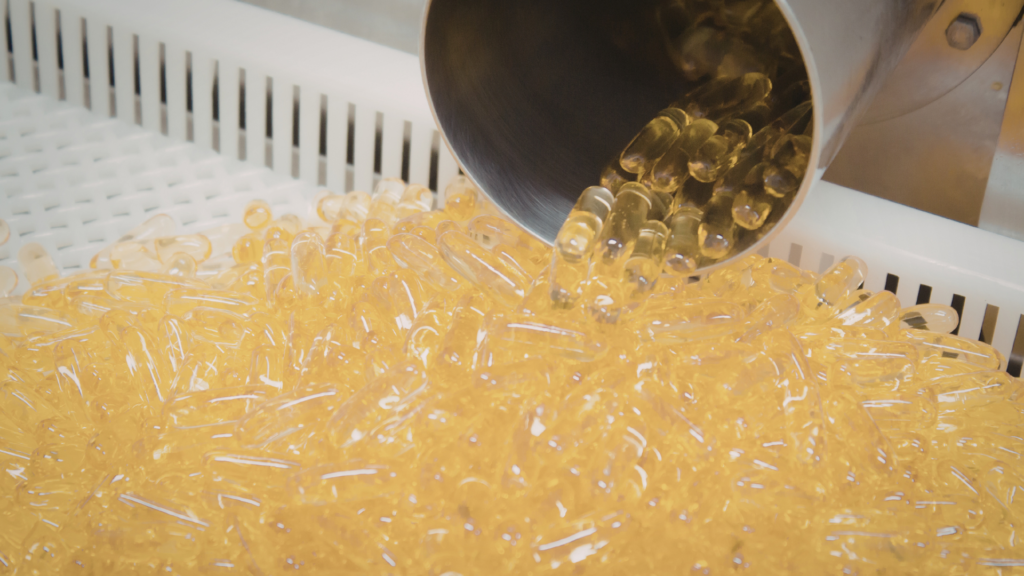
What Canadian Buyers Need To Know About Regulations
Regulatory questions arise constantly for anyone importing or operating a capsule-filling machine, and the rules are not always what a quick search suggests. A lot of people run a “DEA regulations Canada capsules” search expecting clear answers, only to find information written for a different country’s system. Sorting out which rules actually apply, and when, matters just as much as picking the right machine:
Why DEA Regulations Canada Capsules Searches Miss The Real Picture
The DEA is a US federal agency, so its rules do not govern capsule production or sales inside Canada. Anyone landing on a DEA regulations Canada capsules search result should treat it as a US-specific context, not a Canadian requirement. The DEA Regulations for Capsule Machines page breaks down exactly where that line sits.
What Actually Applies To A Capsule Filler Canada Purchase
Health Canada, not the DEA, governs the production of supplements and natural health products in Canada through its Natural and Non-prescription Health Products Directorate. Depending on what is being encapsulated and how it is sold, licensing, labeling, or Natural Health Product requirements may apply, including the site licensing rules that cover any facility manufacturing, packaging, labelling, or importing NHPs for sale in Canada. A capsule filler Canada owner should confirm current obligations directly with Health Canada or a compliance professional rather than assuming US rules translate.
When DEA Rules Still Matter For Canadian Sellers
DEA compliance becomes relevant if a Canadian business sells into the US market or works with a US-based contract manufacturer. In that case, requirements such as the DEA Form 452 Filing Service may apply on the American side of the transaction, even though the machine itself is in Canada.

Final Thoughts
Buying a machine is only one piece of the puzzle. Sourcing, sizing, and compliance all shape whether that machine actually fits how someone plans to use it, and skipping any one of those steps tends to show up later as an unexpected cost or a delay. Canadian buyers researching a capsule filling machine for purchase in Canada are often surprised by how much depends on decisions made before the order is even placed, from where the unit ships to which country’s rules actually apply once it lands.
None of this needs to feel overwhelming. CapsuleFillingMachine.com covers buying guides, machine comparisons, and compliance breakdowns to make these decisions easier to work through, one at a time. With the right information up front, choosing a machine that fits both the budget and the actual production needs becomes a far more straightforward call.
Frequently Asked Questions About Capsule Filling Machine Canada
Is it legal to import a capsule filling machine into Canada?
Yes. Buyers should budget for duties, taxes, and possible customs delays.
Do I need a license to fill capsules at home in Canada?
It depends on whether the product is sold. Anyone planning to sell should confirm requirements with Health Canada or a compliance professional.
How much does a capsule filling machine cost in Canada, including shipping?
Prices vary by machine type. Entry-level manual fillers can start around $34, while semi-automatic models begin near $1,700, and automatic machines start around $7,000 and climb well beyond that. Duties and shipping add extra cost on top.
Can I use a US-made capsule filling machine in Canada without modification?
Not always. Voltage and plug differences are common, so checking power specs before ordering matters.
Do DEA regulations apply to a capsule-filling machine bought in Canada?
No. DEA rules govern US activity, not machines purchased and operated entirely in Canada.
How long does it typically take to receive a capsule filling machine ordered from outside Canada?
It varies by supplier, and customs clearance often adds time beyond the original shipping estimate.
What should I check before buying a used capsule filling machine in Canada?
Ask about maintenance history and whether replacement parts are still available for that model.