Key Takeaways:
- Size 1 Fits Smaller Doses: A size 1 capsule holds roughly 300 to 400 mg, depending on powder density, making it a better fit for smaller doses than size 0 or 00.
- Machine Tier Should Match Batch Size: Manual plate fillers suit occasional home batches, while a 100-hole size 1 capsule machine only pays off once volume justifies the higher upfront cost.
- Smaller Bore Holes Mean Tighter Tolerances: Size 1’s smaller plate openings make jamming and underfilling more common, and testing powder flow before a full run is the most reliable way to avoid both.
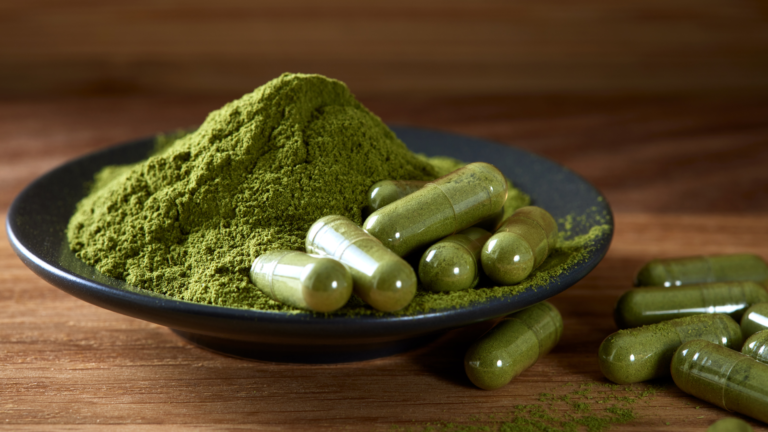
A lot of people default to size 00 capsules, fill a batch, and only then realize their actual dose is closer to 300 or 400 milligrams. The result is a capsule that rattles when shaken or looks half empty, forcing extra filler just to make it look full. Size 1 capsules exist for exactly this problem: smaller, easier to swallow, and sized for smaller doses without wasted space.
CapsuleFillingMachine.com is not tied to any single equipment brand or capsule supplier. The recommendations here come from hands-on experience with capsule equipment suppliers, contract manufacturers, and supplement formulators, covering everything from machine comparisons to DEA Form 452 compliance, with a habit of pointing out what jams or underperforms alongside what actually works.
This article covers what size-1 capsule filling machines hold, who they suit best, the manual and 100-hole size-1 capsule machine options available, and how to match a capsule filling machine to your batch size without running into common jamming or underfilling issues.
What A Size 1 Capsule Actually Holds (And Who It’s Best For)
A size 1 capsule holds roughly 0.50 mL of internal volume, which translates to somewhere in the range of 300 to 400 mg of powder, depending on how dense that powder is, consistent with published capsule size specifications showing size 1’s 0.5 mL capacity and roughly 400 mg average fill. A dense mineral powder packs tighter and fills less volume per milligram, while a light herbal powder takes up more space for the same weight, the same density-dependent relationship documented across standard capsule sizing charts, where fill weight varies by formulation even at a fixed capsule volume. That is why two different formulations at the exact same target dose can call for two different capsule sizes, a relationship covered in more depth in the Capsule Size Guide.
This size tends to suit smaller doses, single-ingredient extracts, or potent actives that do not need a large amount of powder to hit the target weight. It is also a common choice when swallowability matters more than maximizing fill volume in a single capsule.
The most common mistake is sizing down to size 1 purely to appear more convenient, without first calculating whether the actual dose fits. If the powder does not fit within the target weight, splitting the dose across two capsules is usually a better fix than overpacking one capsule.
Manual, Semi-Automatic, And 100 Hole Size 1 Capsule Machine Options
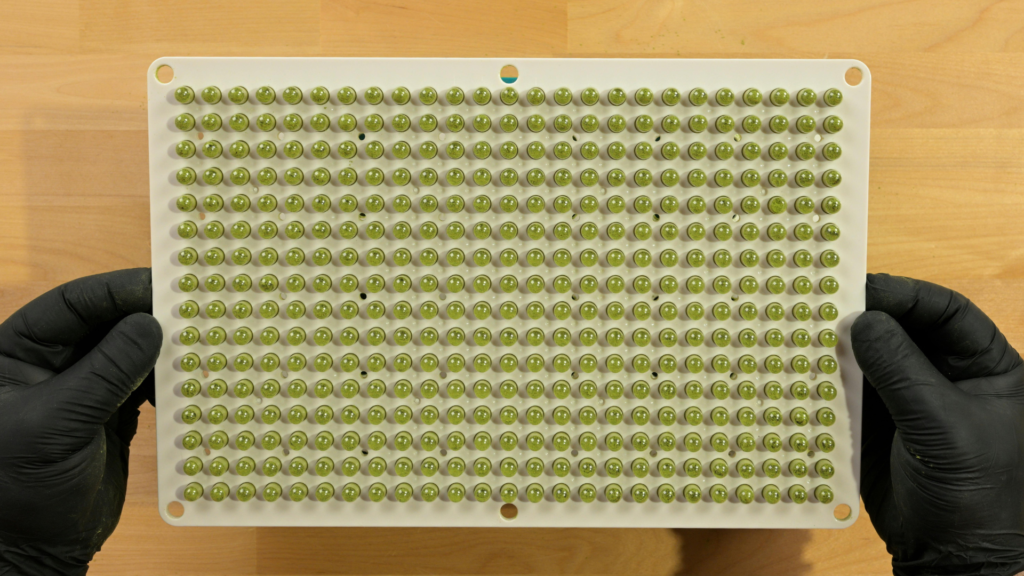
Filling size 1 capsules by hand with a spoon is possible, but it gets tedious fast once you are producing more than a handful of doses. A capsule filling machine size 1 setup speeds up the process and improves consistency across a batch, but not every machine tier handles this smaller size equally well. Here is how the main options break down:
Manual Plate Fillers As A Size 1 Capsule Filler
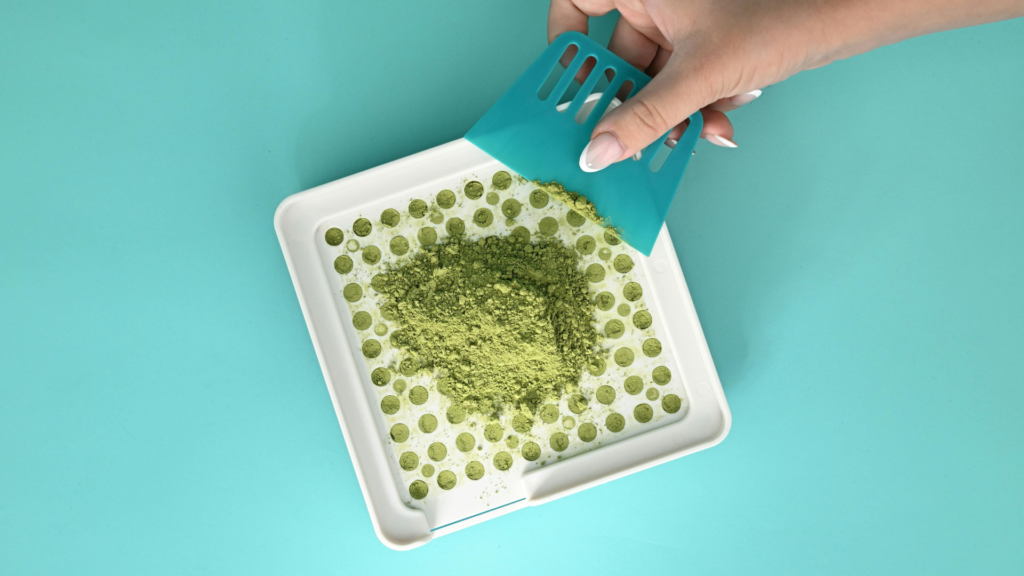
A manual plate filler works as a basic size 1 capsule filler for home batches, with common plate counts ranging from 24 to 100 holes per run. The smaller bore holes on a size 1 plate make alignment trickier than with size 0 or 00, so expect a slower learning curve before fills come out even.
Semi-Automatic Machines For Consistent Fills
Semi-automatic machines add a tamping mechanism that improves consistency once you move past occasional home batches. They still require manual capsule placement and powder loading, but the mechanical tamp reduces the underfilling that hand-tamping a size 1 empty capsule often produces.
100 Hole Size 1 Capsule Machines For Higher Volume
A 100-hole size 1 capsule machine fills an entire plate in one pass, which matters once batch size grows beyond what hand-tamping can reasonably keep up with. Expect a higher upfront cost and a learning curve with powder loading before output becomes consistently reliable.

How To Choose The Best Machine For Size 1 Capsules For Your Batch Size
Choosing a machine depends on how it performs with a smaller capsule size. A size-00 capsule-filling machine setup that handles powder well does not always translate cleanly to size 1, since the smaller openings change how forgiving the machine is of powder inconsistencies. Here is what actually drives the decision:
Match Machine Capacity To Realistic Batch Size
Buying more capacity than needed adds cost without adding value, while undersizing means more frequent runs and more setup time overall. A home batch of 100 capsules a month rarely justifies a 100-hole machine over a smaller plate filler. Reviewing a Compare Capsule Fillers breakdown before buying helps avoid overspending on capacity that never gets used.
Powder Density And Flow Matter More At Smaller Sizes
Size 1’s smaller bore holes leave less room for error with powders that clump or flow poorly. A powder that fills evenly in a size 00 plate can bridge or leave gaps in a size 1 plate, since there is less surface area for gravity and tamping to work with. Our How to Fill Capsules guide walks through testing a small batch before committing to a full run.
Jamming And Underfilling Are The Most Common Failure Points
Size 1 capsules jam more easily than larger sizes because the tolerances between the capsule and the plate holes are tighter. Underfilling is another common issue, usually caused by insufficient tamping pressure or by powder that is too fine to settle fully. Both problems are usually fixable by adjusting the tamping technique or switching to a coarser powder grind.
Final Thoughts
Choosing size 1 comes down to matching a smaller capsule to a smaller dose, then finding equipment that can handle its tighter tolerances without constant jamming or underfilling. A manual plate filler works fine for occasional home batches, while a 100-hole machine earns its cost once volume climbs high enough to justify it. What separates a smooth production run from a frustrating one is usually not the machine brand, but whether the powder was tested first and the equipment was matched to the actual batch size.
None of this requires guesswork. CapsuleFillingMachine.com covers the comparisons, sizing details, and compliance information needed to work through these decisions using real data rather than assumptions. With the right machine and a powder that has been tested at size 1, there is no reason a small batch should end in jammed plates or half-filled capsules. The information to get it right the first time is already available; it just needs to be applied.
Frequently Asked Questions About Capsule Filling Machine Size 1
Can size 00 capsule machines be converted to fill size 1 capsules?
Some machines support interchangeable plates, so switching to size 1 may only require a different plate set. Confirm compatibility with the specific model first.
How many size 1 capsules can a typical home user realistically fill in an hour?
An experienced user with a 100-hole, size-1 capsule machine can typically fill 200 to 400 capsules per hour. Beginners should expect slower output at first.
Is size 1 a good choice for capsules meant to be sold commercially?
Size 1 works commercially if the dose and powder density fit its capacity. Verify current labeling and manufacturing requirements with a compliance professional before selling any product.
Do size 1 empty capsules come in both gelatin and vegetarian options?
Yes, size 1 is widely available in both gelatin and HPMC vegetarian shells. Shell material affects composition only, not internal volume. The Pullulan vs. Gelatin vs. HPMC Capsules breakdown covers how the shell types differ beyond just size compatibility.
What causes size 1 capsules to come out looking uneven or lopsided?
This usually comes from inconsistent tamping pressure or powder that hasn’t settled evenly before capping. A slower, even tamping pass across the plate typically fixes it.
Can a size 1 capsule filling machine also be used for other capsule sizes?
Many manual machines use interchangeable plates for multiple sizes, though some semi-automatic models are built for a single size. Check the supported size range before buying.
Does importing a capsule-filling machine for size-1 capsules trigger any DEA requirements?
Importing certain capsule-filling equipment into the United States may require DEA notification under Form 452. Verify current requirements with the DEA or a compliance professional before ordering.