
Key Takeaways:
- Shell Material Changes Machine Needs: Switching between gelatin and HPMC capsules changes tamping pressure, humidity requirements, and static behavior, even on the exact same machine.
- Gelatin Needs Moisture Control: Gelatin stays pliable with stable humidity, but turns brittle or overly soft outside that range, making room conditions as important as any machine setting.
- HPMC Requires Different Handling: HPMC’s rigidity and tendency to be static usually call for lighter tamping pressure and additional static control to avoid cracked caps and loose seating.
Someone buys a semi-automatic filling machine and gets it running smoothly on gelatin capsules. Months later, they switch to an HPMC shell for a vegetarian label, load the machine the same way, and suddenly, caps are cracking, powder is clinging to the pins with static, and tamping that used to work is now leaving capsules underfilled. The machine did not change. The shell did, and that was enough to throw off a process that had been working fine for months.
CapsuleFillingMachine.com exists to answer exactly this kind of question, the kind that only shows up once someone is actually running a machine rather than reading a spec sheet. The site is not tied to any single machine brand or capsule supplier, so the guidance comes from hands-on experience across manual, semi-automatic, and automatic equipment, not a sales relationship with anyone selling gelatin or HPMC shells. That independence is also why the site will say plainly when a machine jams or a “universal” setting turns out not to be so universal once the shell material changes.
This article breaks down gelatin capsule-filling machines, what actually changes at the machine level when switching between gelatin and HPMC capsules, from tamping pressure and humidity sensitivity to static and brittleness.
Capsule Shell Material Compatibility: Why It Affects Your Machine Setup
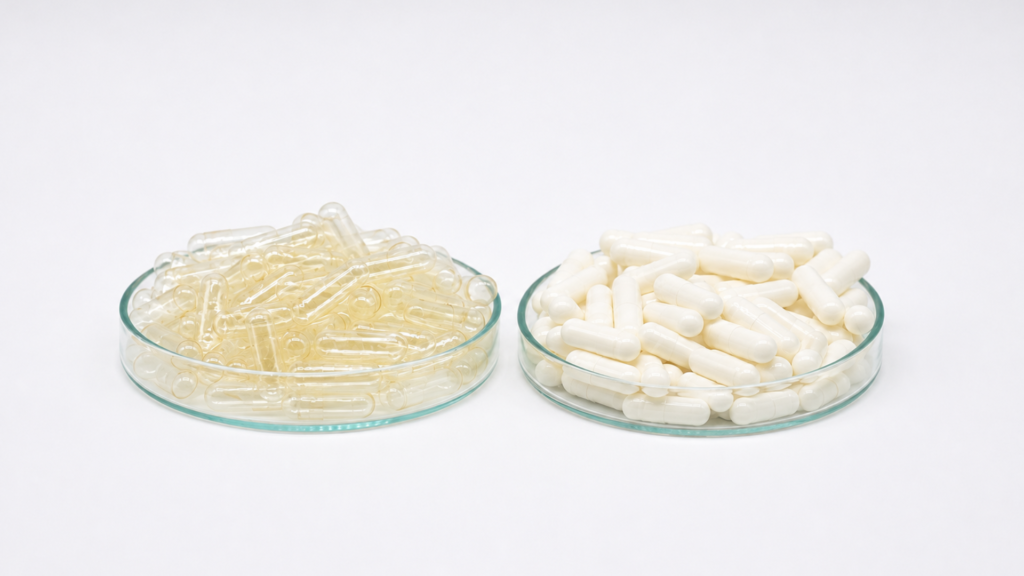
Gelatin and HPMC are not just different labels; they are different physical materials, and that difference shows up the moment the powder or the capsule moves through a machine. Gelatin is animal-derived and holds moisture, which keeps it flexible under the tamping pins but also sensitive to humidity swings in the room where you fill.
HPMC is plant-derived and behaves more like a rigid, low-moisture shell. It resists collapsing under pressure but is more prone to static cling and hairline cracking when handled the same way as gelatin. For a closer look at gelatin vs HPMC capsules and where pullulan fits in, the Pullulan vs. Gelatin vs. HPMC Capsules comparison covers the material side in depth.
Not every machine handles this transition equally well, and some models adjust to a shell switch far more easily than others. The Compare Capsule Fillers tool is a useful starting point if it’s unclear whether a current machine has the range to handle both materials without extensive recalibration.
Capsule shell material compatibility with your machine comes down to one question: were the pins, tamping depth, and humidity control set for the material you are running now, or left unchanged from whatever you used before?
Gelatin Capsule Filling Machine Setup: Tamping Pressure, Tack, And Humidity
Running a gelatin capsule filling machine well means working with the material’s natural moisture instead of fighting it. Some machines handle this more forgivingly than others, which is worth checking against the 10 Best Capsule Filling Machines of 2026 roundup if you’re deciding which model to run gelatin on long term. Gelatin stays pliable under pressure, which makes it forgiving for beginners, but that same pliability also creates its own setup demands. Getting a consistent fill means paying attention to three things in particular:
Tamping Pressure
Gelatin compresses more easily than plant-based shells, so overly aggressive tamping can overpack the capsule or deform the cap before it seats. Start on the lighter end of your machine’s range and adjust upward only if the fill weight comes in low.
Tack And Static
Gelatin’s moisture content makes it slightly tacky rather than prone to static, which usually means fewer capsules clinging to pins but a higher chance of two capsules sticking together during loading. Separate capsules by hand if you notice pairs sitting in the tray.
Humidity Sensitivity
Gelatin absorbs and releases moisture with the surrounding air, so a space that is too dry can make capsules brittle, and one that is too humid can make them soft and hard to seat. Most capsule manufacturers recommend keeping the filling environment at 35% to 55% relative humidity, since this range maintains gelatin’s natural moisture content, typically 13% to 16% by weight, in balance with the specifications set in the official gelatin quality standard. Keeping the room in that range matters more than any single machine setting.
HPMC Capsule Filling Machine Setup: Static, Brittleness, And Vegetarian Adjustments
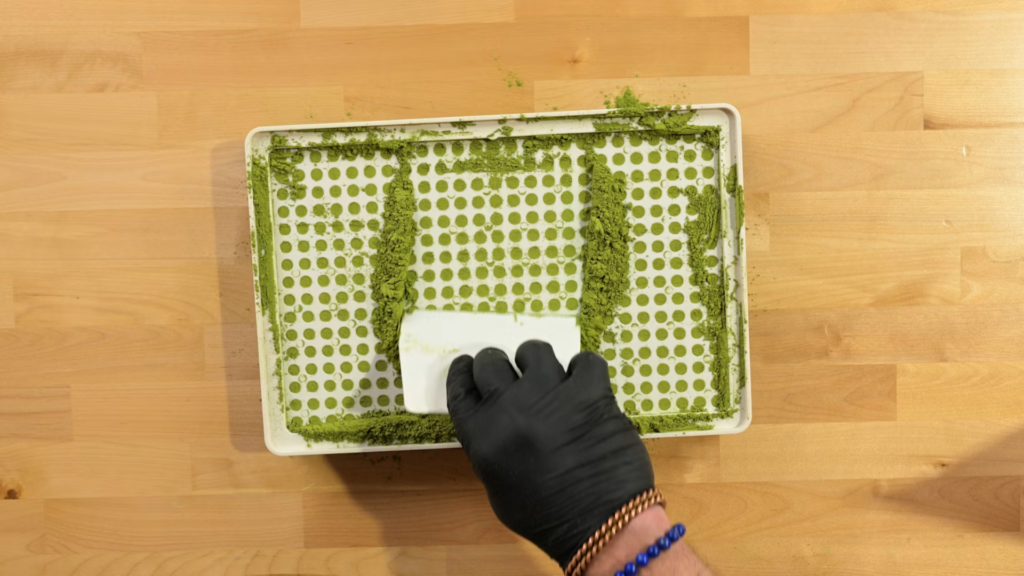
An HPMC capsule filling machine setup starts from a different baseline than that for gelatin, because the shell itself behaves differently on the same equipment. HPMC’s low moisture content makes it more rigid, which helps it hold its shape but also makes it less forgiving of settings carried over from a gelatin run. Getting a vegetarian capsule machine setup dialed in comes down to three adjustments:
Static Buildup
HPMC’s dry, plant-derived structure, recognized as safe for food use by federal regulators, holds a static charge more readily than gelatin, which can cause capsules to cling to pins or trays and throw off loading. An anti-static mat or a slight increase in ambient humidity often reduces this without changing any machine settings.
Brittleness And Cracking
HPMC caps can crack or chip if tamping pressure is set too high or if capsules are handled roughly during loading, especially in a dry room. Lowering tamping pressure slightly from a gelatin setup and testing on a small batch first catches this before it affects a full run.
Cap Seating
HPMC caps seat with less give than gelatin, so a machine calibrated for gelatin’s flexibility may leave HPMC caps sitting loose or improperly locked. Checking the Capsule Size Guide helps confirm that the cap matches the body size before blaming the machine.
Final Thoughts
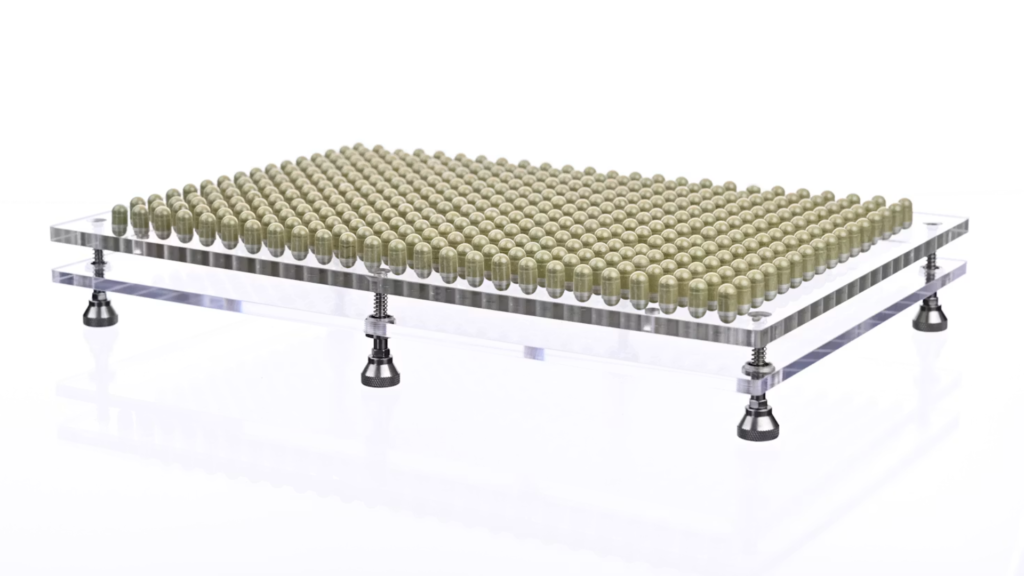
Switching shell materials is a formulation decision, but it always shows up as a mechanical one the moment it hits a gelatin capsule filling machine or its HPMC counterpart. Gelatin and HPMC require different tamping pressures, humidity conditions, and handling, and treating them as interchangeable is one of the most common reasons a previously reliable setup suddenly starts producing jams, cracks, or uneven fills. None of these issues means the machine is broken. They usually just mean the setup was never adjusted for the shell now running through it.
The good news is that these adjustments are minor once you know what to look for, and testing a small batch before committing to a full run catches most problems early. The Capsule Filling Machine Buying Guide, along with the comparisons and compliance resources CapsuleFillingMachine.com covers elsewhere, is there for exactly this kind of question, the ones that only surface once a machine is actually running. With the right shell setup in hand, filling capsules consistently comes down to attention, not guesswork.
Frequently Asked Questions About Gelatin Capsule Filling Machine
Can one capsule filling machine run both gelatin and HPMC capsules without buying new equipment?
Yes, in most cases. Standard manual and semi-automatic machines work with either shell once tamping pressure and humidity are adjusted for the material.
Do capsule sizes fit the same way across gelatin and HPMC shells?
Sizing standards like 00 or 0 are consistent, but supplier-to-supplier dimensional differences can affect fit. If caps feel loose or tight after switching materials, it’s worth checking your capsule dimensions against the current supplier’s specs before adjusting the machine.
Does an automatic capsule filling machine handle shell material differences better than a manual one?
Automatic machines often calibrate more precisely, but they still face static and brittleness issues regardless of the shell material.
How do you know your machine setup is wrong for the shell you’re using?
Cracked caps, capsules sticking to pins, inconsistent fill weight, or loose-sealing caps usually mean tamping pressure or humidity was never adjusted for the new material.
Does switching from gelatin to HPMC capsules change DEA compliance requirements?
Not typically. DEA obligations are based on the substance filled, not the shell. Confirm current requirements with the DEA or a compliance professional, since rules can change.
Should leftover empty capsules be stored differently depending on the material?
Gelatin is more sensitive to humidity swings and can turn brittle or soft. HPMC is more storage-stable but should still be kept away from excess moisture or dry heat.
How much should you test after switching shell materials before running a full batch?
A small test batch, generally a few dozen capsules, is enough to catch tamping or humidity issues before they affect a full run.