Key Takeaways:
- Powder and Liquid Are Not Interchangeable: Most capsule filling machines are designed around powder, so filling oils or tinctures requires a different technique, not just a different ingredient.
- Fill Volume Controls the Seal: Filling capsule bodies to 80 to 90 percent capacity, rather than completely full, is what prevents leaks and weak seals during capping.
- Scale Determines the Equipment: Manual trays and droppers work for occasional batches, but sealing bands and dedicated liquid-fill accessories become worth the investment once oil-filled capsules become a routine part of the process.
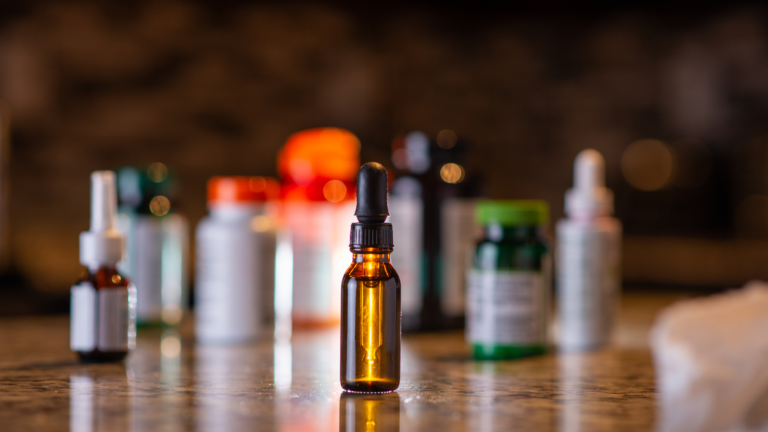
Someone grabs the capsule-filling machine that worked fine for their powdered herbs, loads it with a batch of fish oil or tincture instead, and ends up with leaking, half-sealed capsules and a sticky mess on the counter. Liquids behave nothing like powder once they hit a capsule shell, and that gap is exactly where most people run into trouble.
CapsuleFillingMachine.com is not tied to any single manufacturer, so what’s covered here comes from hands-on experience with capsule equipment suppliers, contract manufacturers, and supplement formulators, not from whichever brand pays for placement. That independence is also why limitations are called out honestly rather than glossed over, across everything from buying guides to DEA compliance resources such as Form 452 filings.
This article covers why most capsule-filling machines are built around powders, how to fill capsules with oils and tinctures without a mess, and which equipment makes sense once liquid fills become routine.
Why Most Capsule Filling Machines Aren’t Built For Liquids
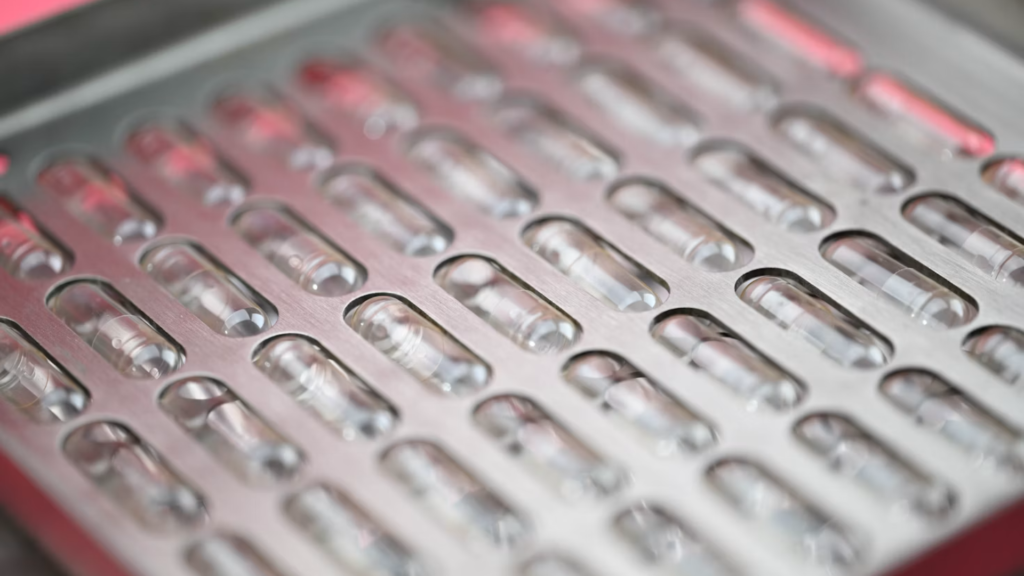
Most manual and semi-automatic capsule-filling machines are built around a tray-and-tamp system designed for powder filling. The capsule bodies sit upright in a plate, and the process assumes a dry ingredient can be packed, leveled, and capped without touching the sides of the shell. This works well for something like a Capsule Filling Machine For Herbs setup, where the ingredient is dry and predictable. Liquid does not cooperate with that same setup.
Oils and tinctures pool rather than pack; they can seep between the cap and body before the seal sets, and thinner liquids, in particular, tend to splash or overfill during the pour. Gelatin shells, which must meet official pharmacopeial standards for quality and performance, are also more vulnerable to liquid contact than most people expect, since prolonged exposure softens the shell before it can seal.
This is not a flaw in the machine. It is simply a mismatch between the tool and the fill. Getting good results out of a liquid capsule filling machine setup means adjusting the technique, not blaming the equipment.
Filling Capsules With Oil: The Technique That Works For Liquids
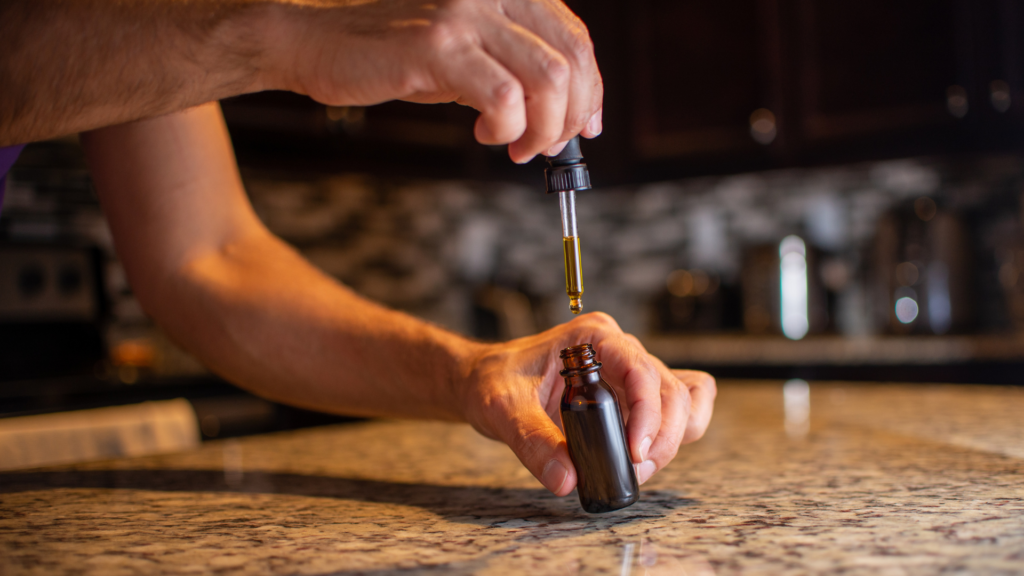
Filling capsules with oil is entirely possible without a liquid capsule filling machine, but the technique looks different from packing powder. The goal shifts from compressing an ingredient to precisely controlling its volume without spilling. Getting comfortable with three specific steps makes the difference between a clean batch and a wasted one:
Prepping Liquid Tincture Capsules Before You Start
Liquid tincture capsules hold up better in gelatin shells than vegetarian ones, since gelatin seals tighter against oily liquids. Thick oils should be gently warmed first, so they flow evenly through a dropper instead of clinging to the sides and throwing off the fill amount.
Filling To The Right Volume
Fill capsule bodies to roughly 80-90 percent capacity, never full. That remaining space matters because pressing the cap on a completely full body forces liquid out of the seam, creating a mess and a weak seal instead of a finished capsule.
Sealing Before The Shell Softens
Once oil touches the shell, the clock starts. Cap and seal each capsule within seconds, since prolonged contact softens gelatin and weakens the seal. The How To Fill Capsules Step By Step guide covers the general capping motion that this same sealing window relies on.
Capsule Machine For Liquid Fills: Accessories And Setup That Actually Work
A capsule machine for liquid fills becomes worth considering once oils or tinctures move from an occasional batch to a regular part of the process. Manual trays and droppers work fine for small runs, but they get slow and inconsistent as volume grows. Three upgrades tend to matter most once that shift happens:
Liquid-Specific Trays And Accessories
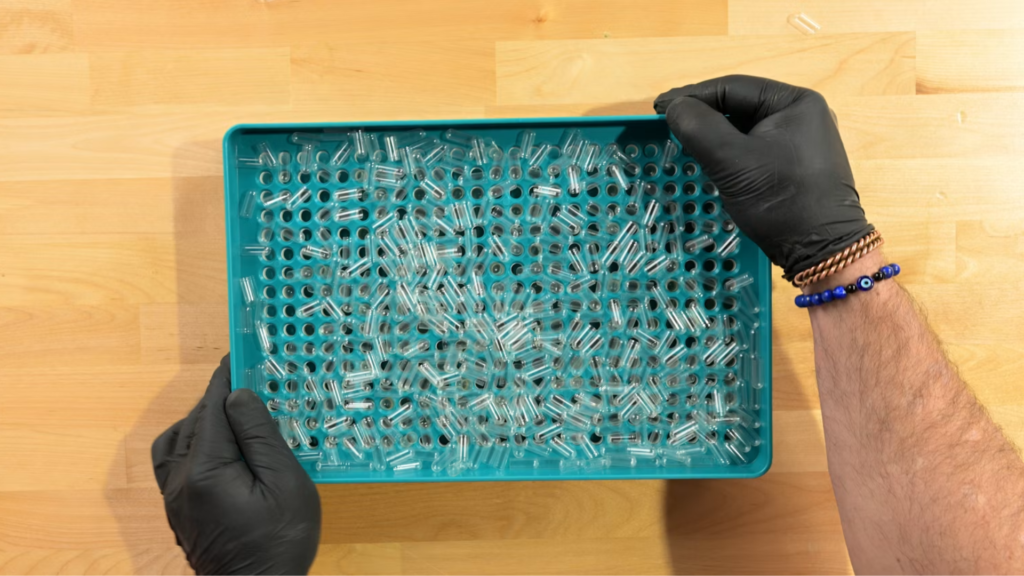
Liquid-fill trays are designed with tighter tolerances around each capsule body, reducing spillage and keeping volumes more consistent than a standard powder tray. Anyone who fills oils regularly benefits from checking the Capsule Filling Machine Accessories options designed for that purpose.
Sealing Bands For Leak Prevention
A gelatin sealing band around the joint of each capsule adds a second layer of protection beyond the cap itself, consistent with FDA-recognized capsule sealing technologies like banding. This matters more with liquid fills than with powder, since a plain snap-cap seal is more prone to oil seepage over time or during shipping.
When To Consider Semi-Automatic Or Automatic Equipment
Larger batches of oil-filled capsules, whether at home or in a small lab, eventually make manual filling impractical, since hand-sealing hundreds of capsules invites inconsistency and fatigue. The Manual vs. Automatic Capsule Filling Machines comparison breaks down the question of when that upgrade actually pays off.
Final Thoughts
Filling capsules with liquid is not harder than powder, just different, and most of the frustration people run into comes from applying powder habits to an oil or tincture. A liquid capsule filling machine setup does not need to be complicated once the shell type, fill volume, and sealing window are handled correctly, and leaks and messes are no longer the norm. The equipment matters too, but only after the technique is solid, since even the right tray or sealing band cannot fix a capsule that was overfilled or left unsealed too long.
For anyone weighing whether to stick with manual tools or move toward dedicated liquid-fill equipment, the Capsule Filling Machine Buying Guide walks through that decision in more depth, alongside the comparisons and compliance information CapsuleFillingMachine.com covers elsewhere. The right approach depends on batch size and how often liquid fills come up, not on which method sounds more advanced. With the basics in place, oils and tinctures are just as manageable as any powder.
Frequently Asked Questions About Liquid Capsule Filling Machine
Can any capsule filling machine handle oils and tinctures?
Most manual and semi-automatic machines can handle liquids with the right technique, but not every model does it equally well. Some trays are built with tighter tolerances specifically for liquid fills, while basic powder trays make spills and leaks more likely.
Do liquid-filled capsules need to be sealed differently than powder capsules?
Yes. Liquid fills generally require a sealing band or sealing solution around the cap-and-body joint, since a plain snap seal is more likely to allow oil to seep out over time. Powder-filled capsules can often rely on the snap seal alone.
Is it better to use gelatin or vegetarian capsules for liquid fills?
Gelatin shells typically seal more tightly against oily liquids than vegetarian shells do. Vegetarian capsules can still work, but they may require extra care during sealing to prevent leaks.
How long can a capsule sit filled with liquid before it needs to be sealed?
Only a few seconds. The shell starts to soften as soon as it contacts liquid, so capping and sealing quickly is one of the most important steps in the entire process.
Does filling capsules with liquid at home require any special licensing or compliance steps?
Requirements depend on what is being filled and whether the capsules are sold. Anyone planning to sell capsules should check current DEA reporting requirements and confirm details with official sources or a compliance professional before getting started.
What size capsule works best for oils and tinctures?
Capsule size depends on the dose and the thickness of the liquid. Size 0 holds around 0.68 ml and size 00 holds around 0.95 ml, so checking a capsule size chart against the target fill volume before buying capsules helps avoid running short or overfilling.
Is it more expensive to fill capsules with liquid than with powder?
Liquid fills usually cost a bit more, mainly because they require sealing bands or a sealing solution, which powder capsules do not require. The difference is generally small for home-scale batches but adds up at higher volumes.