
Key Takeaways:
- Volume Determines Machine Type: How many capsules you fill per week matters more than any spec sheet number when choosing between manual, semi-automatic, and automatic machines.
- Shell Compatibility Is Non-Negotiable: A mismatch between your capsule filling machine plate and your capsule size or shell brand is one of the most common causes of jamming and inconsistent fills.
- Build Quality Outlasts a Low Price Tag: Cheaper plates and components often fail faster, making warranty terms and replacement part availability just as important as the upfront cost.
Most people shopping for a capsule filling machine compare hole counts and prices, then get blindsided by the gap between what a machine promises and what it delivers with real powder and a real workspace. A high hourly rating means little if the size, capacity, or build quality does not match the job. The right capsule filling machine fits how much you produce, what you fill, and how much hands-on time you want to spend.
CapsuleFillingMachine.com is manufacturer-independent, built on direct experience with capsule equipment suppliers, contract manufacturers, and supplement formulators. Coverage spans manual plate fillers to automatic systems, including what breaks, what jams, and what regulatory steps sellers need to know, including DEA compliance.
This article covers what a capsule filling machine is, how the main types compare, and how to match one to your volume, budget, and capsule size before you buy.
What Is A Capsule Filling Machine, And How Does A Capsule Filler Work?
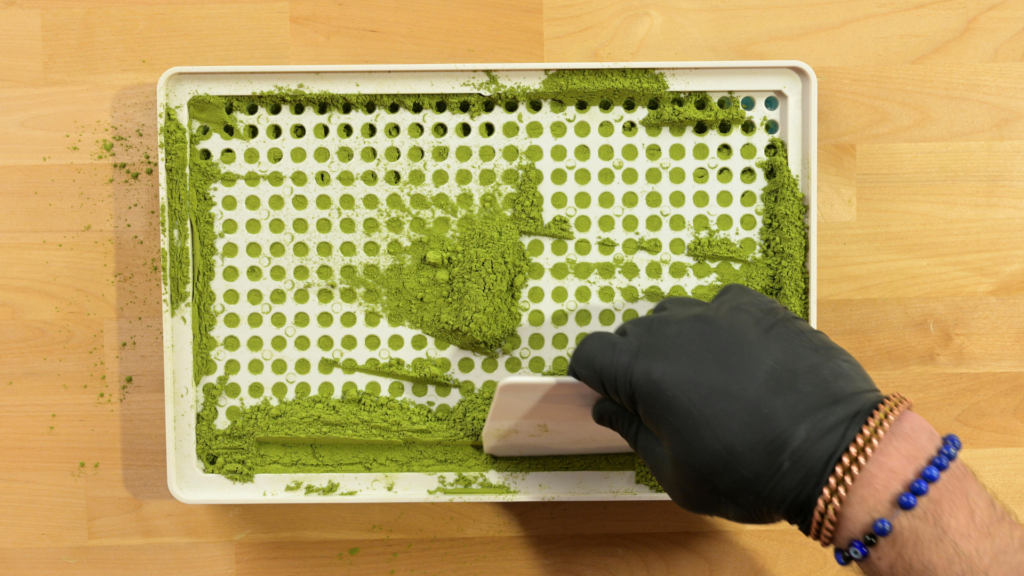
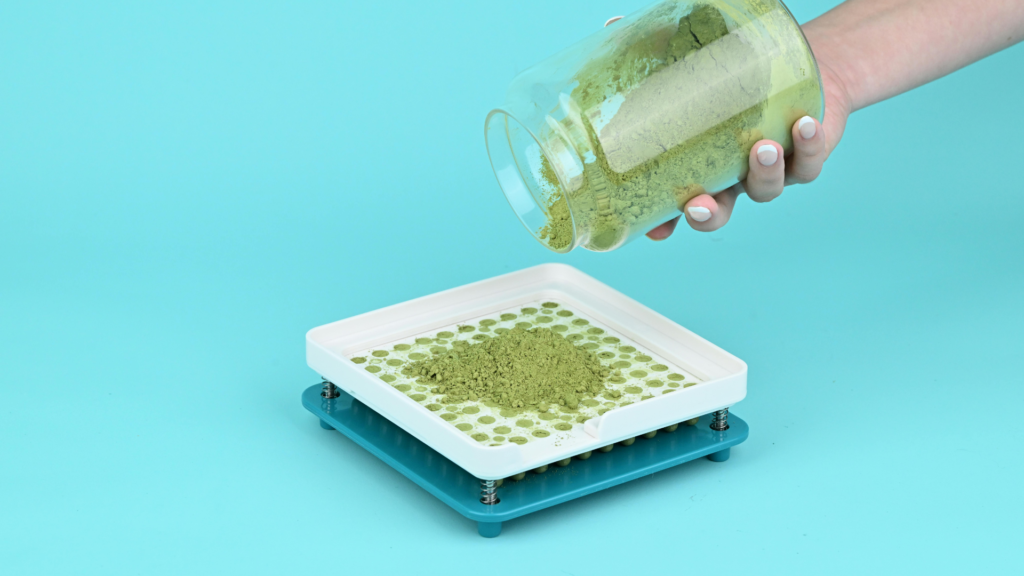
A capsule filling machine is a tool that loads powder or granules into empty capsule shells with more consistency than doing it by hand. Most designs work the same basic way: capsule bodies sit in holes on a plate, powder gets spread across the top, and a tamping tool presses the powder down to compact it before the caps go on. It does not measure weight directly. It fills by volume, which means the density of your powder affects how much actually ends up in each capsule.
This matters because two powders that look similar can pack very differently. A fine, fluffy powder may underfill a capsule even when the hole looks full, while a denser powder fills faster but can compact unevenly if tamped too hard. Skipping the tamping step to save time is a common mistake, since it leads to inconsistent fills that need to be redone anyway. For a full walkthrough of the process from start to finish, the How to Fill Capsules guide covers each step in more detail.
Comparing Manual, Semi-Automatic, And Automatic Machines
A capsule-making machine generally falls into one of three categories, and the differences between them go far beyond price. Each type trades off speed, cost, and physical effort in ways that matter depending on how often you are filling capsules and how many you need at once. Here is how the three main types compare:
Manual Capsule Fillers
Manual machines use a hand-cranked or hand-pressed plate system, typically producing 100 to 600 capsules per hour, depending on operator experience and plate size. They cost the least and require no power source, making them a practical starting point for home use. The tradeoff is physical effort and time, since every tamping pass depends on the operator.
Semi-Automatic Machines
Semi-automatic machines mechanize the tamping or closing step, cutting down on manual labor while still requiring some hands-on operation. Output ranges widely depending on the model, generally landing well above manual speeds. These machines suit small brands scaling past the hobby stage, though they demand more cleaning and upkeep than a basic plate.
Automatic Machines
Automatic machines handle loading, tamping, and closing with minimal operator input, built for consistent high-volume output. They come with a higher price tag and a steeper learning curve, and they are rarely practical for occasional or small-batch use. Maintenance and calibration also matter more here, since a small error repeats thousands of times over.
How To Choose The Right Pill Capsule Machine For Your Setup
Choosing a pill capsule machine comes down to matching the equipment to your actual production habits, not the highest number on a spec sheet. Volume, capsule size, and budget all pull in different directions, and getting one wrong usually means buying a second machine within the year. Here is what actually determines the right fit:
Match Machine Type To Your Production Volume
Start with how many capsules you realistically fill in a week, not a best-case guess. A home herbalist filling a few dozen capsules has no real use for automatic speed, while a small brand filling thousands weekly will outgrow a manual plate fast. The Beginner’s Guide to Capsule Filling Machines breaks down which type fits which volume range.
Check Capsule Size And Shell Compatibility
Every capsule filling machine plate is built for specific capsule sizes, and an empty capsule filler that does not match your shell size will jam or produce inconsistent fills. Mixing shell brands on the same plate can also cause fitment problems, since tolerances vary slightly between manufacturers. The Capsule Size Guide covers how to confirm compatibility before buying.
Compare Build Quality, Cost, And Support Before Buying
Price alone does not indicate durability, and a cheaper plate made from brittle plastic can crack within months of regular use. Look at plate material, warranty terms, and whether replacement parts are available before committing. Reviewing options side by side on Compare Capsule Fillers makes the tradeoffs easier to see than reading specs in isolation.

Final Thoughts
Picking the right equipment is less about finding the fastest or most impressive option and more about understanding how a machine actually behaves once real powder, real capsules, and daily use enter the picture. Volume needs, shell compatibility, and build quality all shape the outcome far more than a headline speed rating ever will. The mistakes that cost buyers time and money are almost always the same ones: skipping the tamping step, ignoring capsule size compatibility, or buying based on price without checking what happens once the machine sees regular use.
CapsuleFillingMachine.com remains a practical starting point for working through these decisions, from side-by-side comparisons to guidance on regulatory steps sellers may need to address, including current DEA Regulations for Capsule Machines. A well-matched machine, chosen with clear expectations rather than guesswork, is the one that actually holds up to regular use.
Frequently Asked Questions About Our Capsule Filling Machines
What is the average price range for a capsule filling machine?
Prices vary by type and capacity. Manual fillers cost the least, semi-automatic machines cost more due to added mechanics, and automatic systems carry the highest price tag because of their output and precision. Checking current pricing directly with suppliers is the most reliable way to compare options.
Can a capsule filling machine be used for powders other than supplements or herbs?
Yes, most fillers handle a range of dry powders and granules that flow reasonably well. Always test compatibility with your specific formulation before a full batch.
Do capsule filling machines work with both gelatin and vegetarian capsules?
Yes, since plate mechanics rely on shell dimensions, not material. Vegetarian shells can react differently to humidity, so test a small batch first.
How often does a capsule filling machine need to be cleaned?
It depends on the powder. Fine or oily powders clog plate holes faster and need more frequent cleaning between runs.
Are capsule filling machines subject to DEA reporting requirements?
Some equipment may fall under federal reporting rules depending on the type and use. Verify current obligations with the DEA or a compliance professional.
What is the typical lifespan of a capsule filling machine?
Lifespan depends on the build quality and how often the machine is used. A well-maintained manual or semi-automatic machine can hold up for years with proper cleaning and care, while models built with lower-grade plastic components tend to wear out and need replacement sooner.
Is training required to operate a capsule filling machine?
Manual machines need only a short learning curve. Semi-automatic and automatic machines require more setup and calibration knowledge.