Key Takeaways:
- Shell Material, Not Fill Content: “Vegan capsule” refers to what the empty shell is made of, not the ingredients placed inside it.
- HPMC vs. Pullulan Comes Down to Fit: HPMC is the lower-cost default, while pullulan’s oxygen barrier makes it worth the premium for oxidation-sensitive fills.
- Certifications Are Separate from Plant-Based Claims: A vegan-qualifying shell does not automatically carry Non-GMO, Kosher, or Halal certification, so those need to be confirmed independently with the supplier.
Someone reads “vegan capsule” on a supplement label and assumes it just means the ingredients inside are plant-based. That is not what the label is talking about. It is describing the shell, the empty capsule itself, before anything gets filled into it. Many home herbalists and small supplement brands make labeling decisions based on this exact misunderstanding, only to find later that the capsule they bought in bulk does not actually qualify for the claim they intended to print on their packaging.
CapsuleFillingMachine.com covers this material distinction because it comes up constantly among the people who actually fill capsules, not just those marketing them.
This article breaks down exactly what vegan and vegetarian capsules are made of, how HPMC and pullulan shells differ from each other and from gelatin, and what to check before assuming a capsule qualifies for the labeling claim it is being bought for.
What Are Vegan Capsules Made Of? HPMC And Pullulan Explained
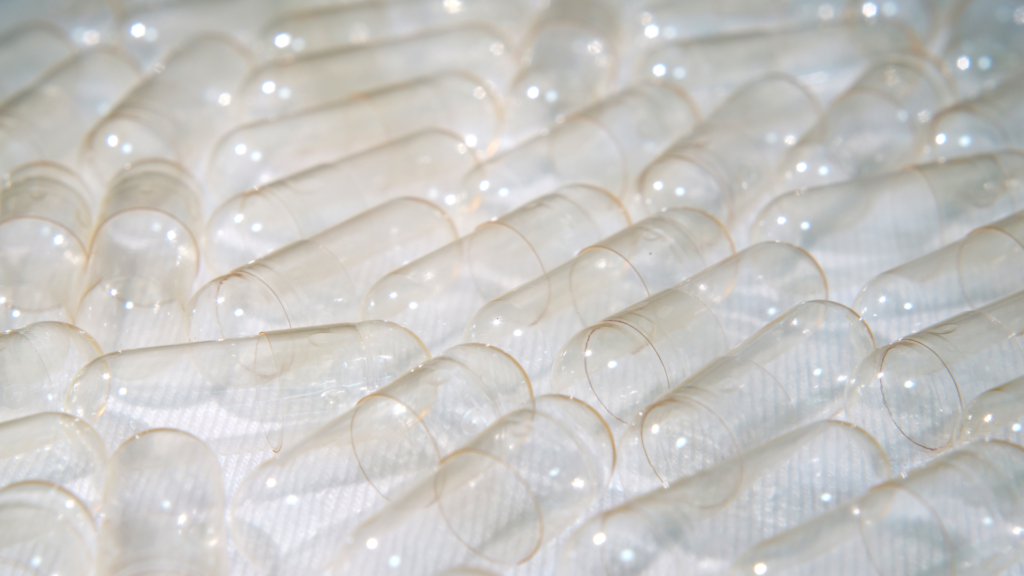
Vegan capsules are made from one of two plant-derived materials: HPMC (hydroxypropyl methylcellulose) or pullulan. HPMC is a cellulose compound sourced from wood pulp or cotton fiber, recognized as safe for food use by federal regulators, processed into a film-forming polymer that behaves a lot like gelatin once it’s shaped into a shell. Pullulan differs in its source: it’s a starch-based polysaccharide fermented from tapioca or other starches by a naturally occurring fungus. Understanding vegan capsule ingredients at this level matters because the shell material, not the powder inside it, is what determines whether a labeling claim actually holds up.
Neither material comes anywhere near an animal byproduct, which is why both qualify for vegan and vegetarian labeling claims that gelatin cannot make. For a closer side-by-side look at how each stacks up against gelatin specifically, the Pullulan vs. Gelatin vs. HPMC Capsules comparison breaks down pricing, sourcing, and supplier options in more depth. HPMC is generally the lower-cost option and the more common default for brands that just need the vegan claim without a specific performance reason.
Pullulan costs more to produce and buy, but it has a lower oxygen permeability than HPMC, which matters for formulations sensitive to oxidation. That trade-off, cost versus oxygen protection, is usually what determines which one a formulator actually picks.
HPMC vs. Pullulan Capsules: Which Vegan Option Fits Your Fill
Choosing between HPMC and pullulan capsules is not just about which one has the bigger “vegan” label appeal; it comes down to how each one performs with a specific fill. Dissolution rate, moisture sensitivity, and oxygen exposure vary by shell, and choosing the wrong one can undermine a formulation without anyone noticing until later. Anyone working with dried herbal powders in particular should see how shell choice interacts with fill texture in the Capsule Filling Machine For Herbs guide. Here is what actually separates the two in practical use:
Dissolution Speed
HPMC and pullulan both dissolve slower than gelatin, generally taking roughly double gelatin’s disintegration window in standard testing, though exact timing varies by manufacturer and shell thickness. For fast-acting formulations, that slower onset is worth factoring in before committing to a full batch order.
Oxygen Sensitivity
Pullulan has the lowest oxygen permeability of the three shell materials, a property documented in food science research on the polymer’s film-forming behavior, which is why it gets picked for fish oils, probiotics, and other fills prone to oxidation. HPMC is more permeable, so oxygen-sensitive powders encased in HPMC shells may degrade faster during shelf life.
Moisture and Cost Tradeoffs
Pullulan’s higher water content makes it a poor match for hygroscopic or highly absorbent powders, where HPMC or gelatin generally performs better. Pullulan also costs more per capsule, so budget-conscious brands without an oxygen-sensitivity concern usually default to HPMC.
Vegetarian Capsule Shells vs. “Vegan”: Is There A Difference?
Vegetarian and vegan claims are used almost interchangeably on supplement packaging, but they do not always describe the same thing. The distinction matters most for brands that need a specific label claim to hold up under scrutiny, since a mismatched claim can create compliance headaches later. This comes up often with fine, dense powders like mushroom extracts, covered in more detail in the Capsule Filling Machine For Mushrooms guide. Here is where the terms actually diverge:
Why Gelatin Disqualifies Both Claims
Gelatin is derived from bovine or porcine collagen and meets official pharmacopeial standards for animal-derived materials, which rules it out for vegetarian and vegan labeling alike. Some buyers assume “vegetarian” allows more flexibility than “vegan,” but on capsule shells specifically, gelatin fails both standards for the same reason: it’s an animal byproduct.
HPMC and Pullulan Satisfy Both Terms
Because HPMC and pullulan are plant-derived, with no animal inputs at any stage of production, both qualify for vegetarian and vegan claims. There is no meaningful difference between the two terms once gelatin is off the table, which is why the industry often uses them as synonyms on capsule shells.
Certifications Are A Separate Question
A vegan-qualifying shell material does not automatically come with a Non-GMO, Kosher, or Halal certification. Those are separate claims that depend on the supplier’s sourcing and processing, so confirm certifications directly with the manufacturer rather than assuming they come bundled with “plant-based.”
Final Thoughts
The shell of a capsule carries more decision-making weight than most buyers realize before they start shopping for materials. HPMC and pullulan both clear the bar for vegan and vegetarian labeling, but the choice between them comes down to what’s actually going inside the capsule, how sensitive it is to oxygen and moisture, and how much budget flexibility a formulation has to work with. Gelatin remains off the table for either claim, no matter how the packaging gets worded. For anyone sourcing plant-based capsules for supplements at scale, that tradeoff is worth settling before placing a bulk order, not after.
Getting this right the first time saves a brand from reprinting labels, reformulating a batch, or fielding questions from customers who caught a labeling inconsistency. Once the material is chosen, the How to Fill Capsules Step by Step guide walks through the actual filling process, where a small detail early on can shape everything that follows. With the material differences clearly laid out, choosing the right shell becomes a straightforward call rather than a guess.
Frequently Asked Questions About What Vegan Capsules Are Made Of
Are vegan capsules always more expensive than gelatin capsules?
Usually, yes. HPMC runs only slightly above gelatin, while pullulan carries a bigger premium due to its production process.
Can vegan capsules be used in any capsule filling machine?
In most cases, yes, as long as the shell size, confirmed against a Capsule Size Guide, matches the machine’s plate size (00, 0, 1, and so on). Minor dimensional differences between capsule brands can still cause jams on tighter-tolerance machines, so it’s worth testing a small batch before committing to a bulk order in a new material.
Do vegan capsules affect fill weight accuracy?
Not directly. Fill weight accuracy depends more on powder flow, density, and tamping technique than on shell material.
Is HPMC the same thing as “veggie caps”?
Yes, that’s a common marketing term for HPMC, though some suppliers use it loosely for pullulan too. Check the actual material listed in the specs to be sure.
Do vegan capsules require different storage conditions than gelatin?
Pullulan is more humidity-sensitive due to its higher water content, so cool, dry storage matters more. HPMC behaves closer to gelatin in typical conditions.
Does selling capsules filled with vegan shells trigger different DEA reporting requirements?
Reporting requirements generally depend on what’s inside the capsule, not the shell material. Verify current filing requirements directly with the DEA or a compliance professional.
Can a brand mix HPMC and pullulan capsules in the same product line?
Technically yes, but it often complicates labeling consistency. Most small brands stick to one material per product line.