Key Takeaways:
- Most Jams Are Preventable: The majority of capsule filling machine problems come down to a capsule seated incorrectly, powder tamped unevenly, or residue buildup rather than a defective machine.
- Powder Behavior Drives Fill Consistency: Underfilled or inconsistent capsules are usually caused by powder density, static, or humidity rather than a setting on the machine itself.
- Routine Maintenance Beats Reactive Fixes: Wiping down trays after each use and inspecting for wear before every session prevents most jams from happening in the first place.
A capsule filling machine jamming mid-batch is one of the most frustrating moments in the whole process, especially when it happens after the tray is already loaded and half the powder is gone. Most people assume this means the machine is broken or poorly made, when in reality the vast majority of jams trace back to a handful of predictable causes: a capsule seated wrong, powder tamped unevenly, or a machine that has not been cleaned in a while. Knowing what actually causes a jam is what separates someone who fixes it in two minutes from someone who spends an afternoon disassembling a tray in frustration.
CapsuleFillingMachine.com approaches capsule filling machine troubleshooting the way it approaches every other topic on the site: independent of any single manufacturer and based on real-time spent with capsule equipment suppliers, contract manufacturers, and supplement formulators, rather than a sales pitch. That includes being upfront about where machines jam, where they slow down, and where a technique that works for one capsule size falls apart with another.
This article covers the most common reasons a capsule-filling machine jams, how to fix one that will not close properly, what causes underfilled or inconsistent capsules, and troubleshooting tips and maintenance habits that prevent most problems before they start.
Why Your Capsule Filling Machine Won’t Close Properly
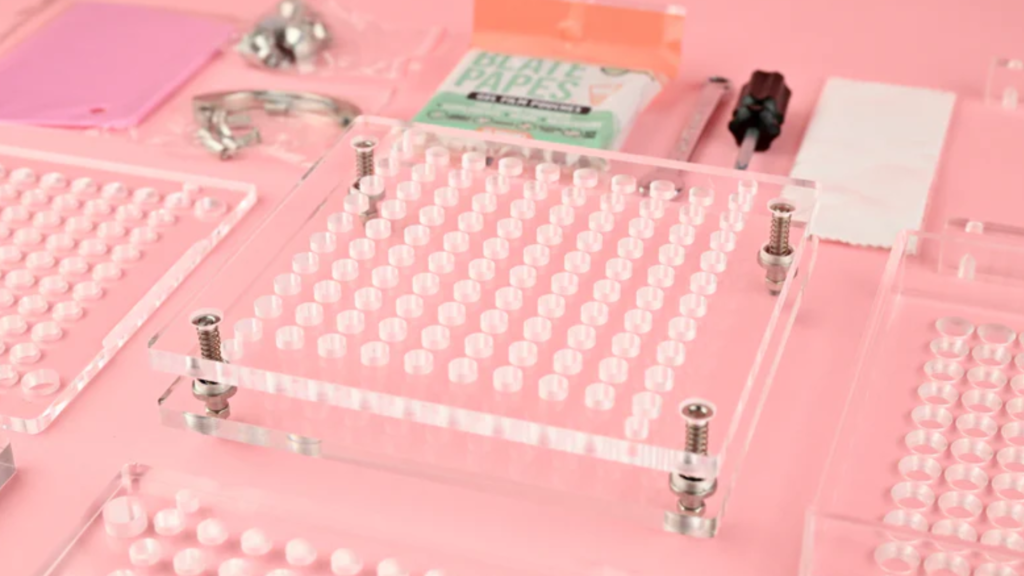
A capsule machine won’t close properly for one of a few reasons, and almost all of them come down to what is happening inside the tray, not a defect in the machine itself. A capsule sitting crooked, tilted, or not fully seated in its hole will block the plate from coming down evenly, since the mechanism is designed to press against uniform rows, not one capsule sticking up higher than the rest.
Overfilled capsules cause the same problem from the opposite direction. When too much powder is packed in before capping, the cap has nowhere to go and resists closing no matter how much pressure is applied. Forcing it usually cracks the shell rather than solving anything, since gelatin shells are manufactured to meet official pharmacopeial specifications for thickness and strength, not for unlimited compression. The right tamping tool makes a noticeable difference here, and browsing Capsule Filling Machine Accessories is worth doing before assuming the machine itself is at fault.
Reviewing How To Fill Capsules Step By Step before troubleshooting further helps rule out a loading mistake as the actual cause.
Fixing Underfilled Or Inconsistent Capsules
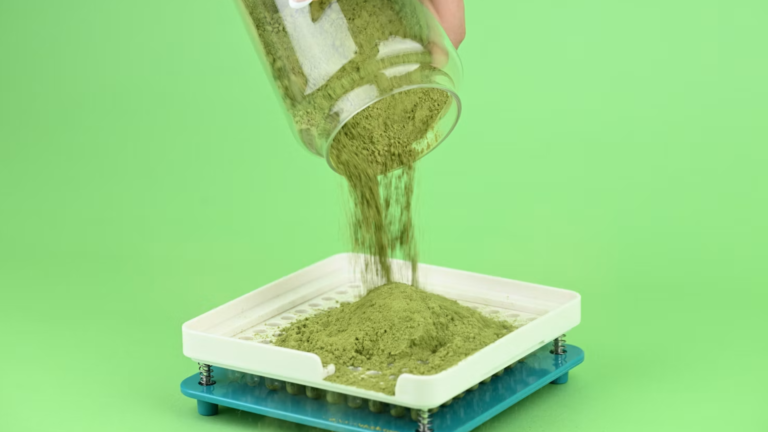
Fixing underfilled capsules usually starts with the powder rather than the machine, since most capsule-filling machine troubleshooting in this area comes down to ruling out the ingredient before blaming the equipment. Fine powders behave differently from coarse ones, and a setting that works perfectly for one blend can leave another batch running light. The fix usually comes down to three habits:
Powder Density Varies More Than Expected
The same scoop of powder can weigh differently depending on how fine, fluffy, or compact it is. A capsule that looks full may still be underweight if the powder inside is light and airy rather than dense. Weighing a small test batch catches this before it affects an entire run. Anyone still deciding between filling methods can find the basics covered in the Beginner’s Guide to Capsule Filling Machines.
Tamping Pressure Needs To Stay Consistent
Uneven tamping is one of the most common causes of inconsistent fill weights, since packing one capsule more tightly than the next changes how much powder each one holds. Using the same pressure and motion across every capsule, rather than adjusting on the fly, keeps results predictable. Reviewing How To Fill Capsules At Home covers this technique in more depth.
Static And Humidity Affect Fill Weight
Static causes powder to cling to tray walls instead of settling into the capsule, a byproduct of the same friction-generated charge that OSHA documents for dry powder handling generally, while humidity can cause fine powders to clump and resist even packing. Both problems are more pronounced with certain powders than with others, and wiping down trays and working in a dry space significantly reduces both issues.

Preventing Jams And Keeping Your Machine Running Smoothly
Most jams and fill problems are preventable with a handful of maintenance habits that take only a few minutes to do, but are often skipped once a machine feels familiar. Common capsule machine problems tend to recur when the same maintenance gaps go unaddressed from batch to batch. Building a few checks into the routine solves most of this before it starts:
Residue Buildup Is The Most Common Cause Of Sticking
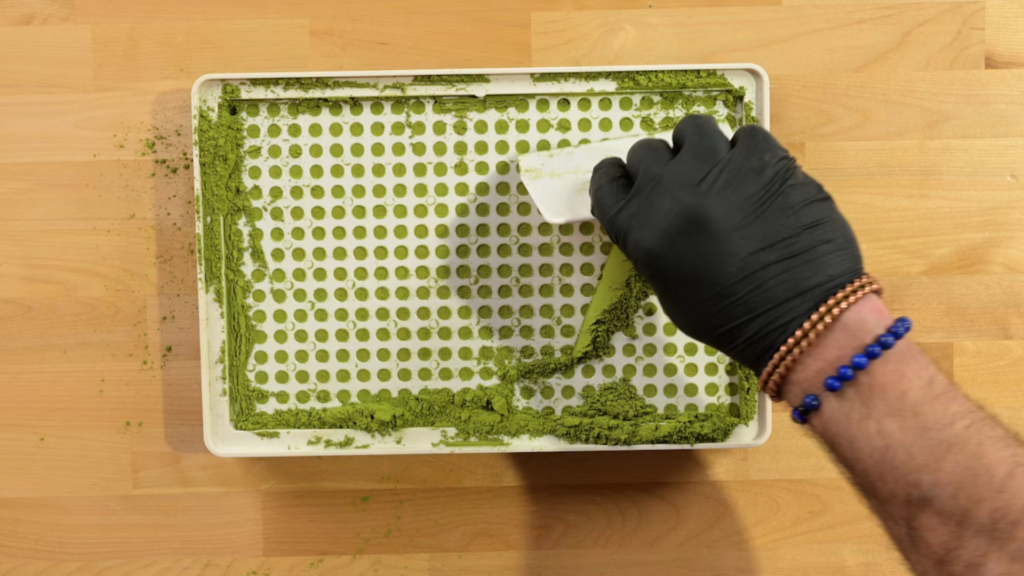
Powder residue collects in tray holes and moving parts over time, and this buildup is what usually causes capsules to stick or seat unevenly, rather than any flaw in the machine itself. Wiping down the tray and pins after each session prevents this from compounding batch after batch.
Regular Capsule Filling Machine Maintenance Catches Small Issues Early
A quick inspection before each use, checking for cracked pins, loose plates, or worn edges, catches minor wear before it turns into a jam mid-batch. Skipping this step means small issues go unnoticed until they cause a bigger problem during a run. Machines with more moving parts tend to require closer attention here, and the comparison between Manual and Automatic Capsule Filling Machines breaks down how maintenance needs shift between machine types.
Storage Conditions Affect Long-Term Performance
Storing a machine in a humid or dusty area speeds up residue buildup and can warp plastic components over time. Keeping it in a dry, covered space between uses protects the parts that matter most and extends how long it performs reliably.
Final Thoughts
Most mechanical trouble with a capsule filler comes down to the same short list of culprits: a capsule that was not seated right, powder that was tamped unevenly, or a machine that has gone too long without a wipe-down. None of these problems requires special tools or expertise to fix, just a clear sense of what to look for and why it happens in the first place. Once the pattern becomes familiar, most jam and fill issues become a quick check rather than a guessing game.
The difference between a frustrating session and a smooth one usually comes down to catching small issues before they turn into bigger ones. CapsuleFillingMachine.com’s guides and comparisons on this topic exist for exactly that reason: to walk through the details that actually matter instead of glossing over them. With a bit of routine attention, running a capsule filling machine becomes far less about troubleshooting and far more about simply getting the job done right.
Frequently Asked Questions About Capsule Filling Machine Troubleshooting
What’s the most common reason a capsule filling machine jams?
A capsule that wasn’t seated correctly in the tray is the most common cause, followed by residue buildup and overfilled capsules.
Can using the wrong capsule size cause a machine to jam?
Yes. A capsule that’s too large or too small for the tray holes can sit unevenly. Matching capsule size to the machine’s intended range prevents most of this.
Is it normal for a semi-automatic machine to jam more than a manual one?
Not inherently. More moving parts mean more places for residue to build up, but regular cleaning keeps jams no more frequent than on a manual model. Semi-automatic machines commonly run at 10,000 to 40,000 capsules per hour, so higher throughput can simply mean more opportunities to catch a small issue sooner.
What should be done if a capsule cracks inside the machine during a run?
Stop and remove all loose shell fragments from the tray and surrounding parts before continuing. Leftover pieces can cause the next few capsules to seat improperly.
Do warranties typically cover jamming issues?
It depends on whether the jam was caused by a defect or by normal wear and user error, and coverage terms differ from one manufacturer to the next, within the disclosure standards set by the Magnuson-Moss Warranty Act. Checking the warranty documentation for the specific machine, or contacting the manufacturer directly is the most reliable way to know.
How often should a capsule filling machine be cleaned to prevent problems?
A quick wipe-down after every session helps, with a deeper clean on a regular schedule based on how often it’s used.
When is it worth having a machine professionally repaired instead of troubleshooting it at home?
If cleaning, tamping adjustments, and proper capsule seating don’t fix the issue, or a part looks cracked or bent, professional repair is worth considering.